
Der Hamburger Bahnhof war einer der großen Berliner Kopfbahnhöfe des 19. Jahrhunderts – ein Ort des Ankommens, Aufbruchs und Übergangs. Bis heute prägt diese Geschichte das Museum für zeitgenössische Kunst im Zentrum Berlins. Der Hamburger Bahnhof ist wie Berlin voller Vielschichtigkeit, Brüche und hat Veränderung als stetige Konstante.
After Art History? Future Paradigms for the Contemporary Art Museum
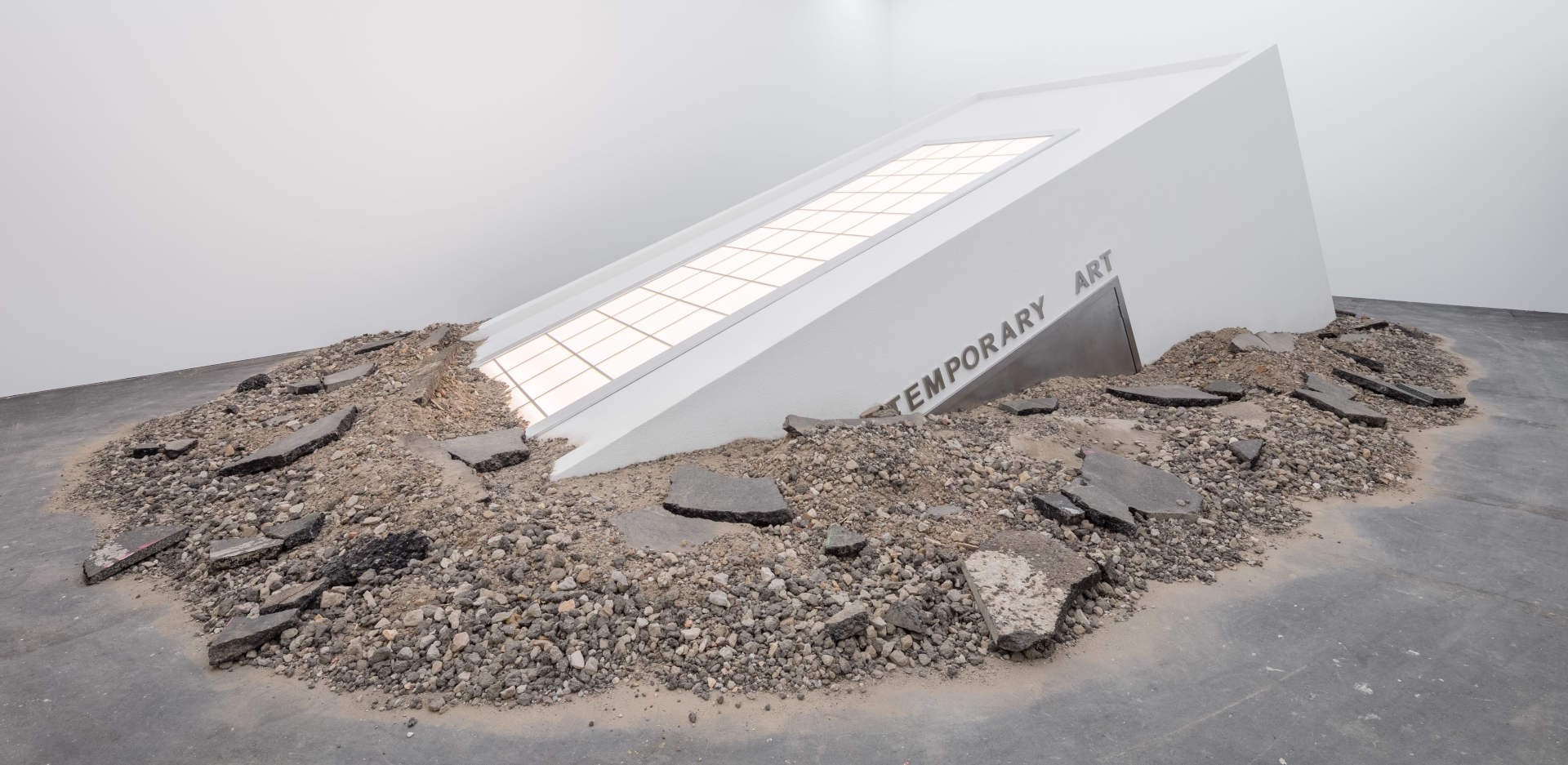
Museums of contemporary art must act before historical distance emerges or consensus is reached: they commission works that are still in development, collect artistic practices that continue to evolve, preserve changing materials and technologies and must assess their significance in real time.
“After Art History?” asks what happens when art history is no longer the unquestioned epistemic centre of the museum but becomes one form of knowledge among many. The symposium brings together leading voices from art history, anthropology, sociology, visual and digital culture as well as science and technology studies and addresses the question of how museums can continue to classify, interpret, preserve and make decisions under conditions of uncertainty. Through extended individual positions, exchange and discussion with the audience, it explores how historical knowledge can coexist with provisional, situated, anticipatory and collaborative forms of knowledge.
Participation is free of charge.
Please note: Registration has been closed.
Waiting list
Programme
Welcome9 am
Dr Sam Bardaouil
Opening PropositionTime Decay9:10 am
Dr David Joselit
Position ITIME – From Trace to Prediction10 am
The Paradox of the TraceDr Arjun Appadurai
The Future of MemoryDr Elena Esposito
Crossing ILed by Dr Juliane RebentischDiscussion on how memory, traces and anticipation shape institutional approaches to uncertain futures
Room IQuestions and responses from the audience
Break11:20 am
Position IIMEDIATION: How Meaning Is Produced11:30 am
Contemporaneity as a Guideline for Curating in DialogueDr Mieke Bal
AI Computational Systems as Culture MachinesDr N. Katherine Hayles
Crossing IILed by Dr Banu KaracaDiscussion on interpretation, dialogue and computational systems
Room IIQuestions and responses from the audience
Lunch Break1 pm
Position IIIKNOWLEDGE: Who or What Produces Expertise?2 pm
WithoutDr Irit Rogoff
How Can a Museum Know?Dr Sheila Jasanoff
Crossing IIILed by Dr Banu KaracaDiscussion on knowledge without precedent, certainty or established disciplinary authority, and how institutions can remain accountable while making decisions
Room IIIQuestions and responses from the audience
Break3:20 pm
Position IVFUTURES – Decentralised Intelligence and Social Imagination for Collective Action3:30 pm
Imagining and Acting TogetherProfessor Sir Geoff Mulgan
The Intelligence of BecomingDr Michael Levin
Crossing IVLed by Dr Juliane RebentischDiscussion on intelligence, collective action and the shared imagination through which future possibilities emerge
Room IVQuestions and responses from the audience.
Break4:50 pm
ClosingReading the Day5 pm
Led by Dr Banu Karaca and Dr Juliane RebentischThe Interlocutors identify key propositions, contradictions and unresolved questions from the day, followed by a collective Assembly with all participants