
Haus.Kunst.Mitte.
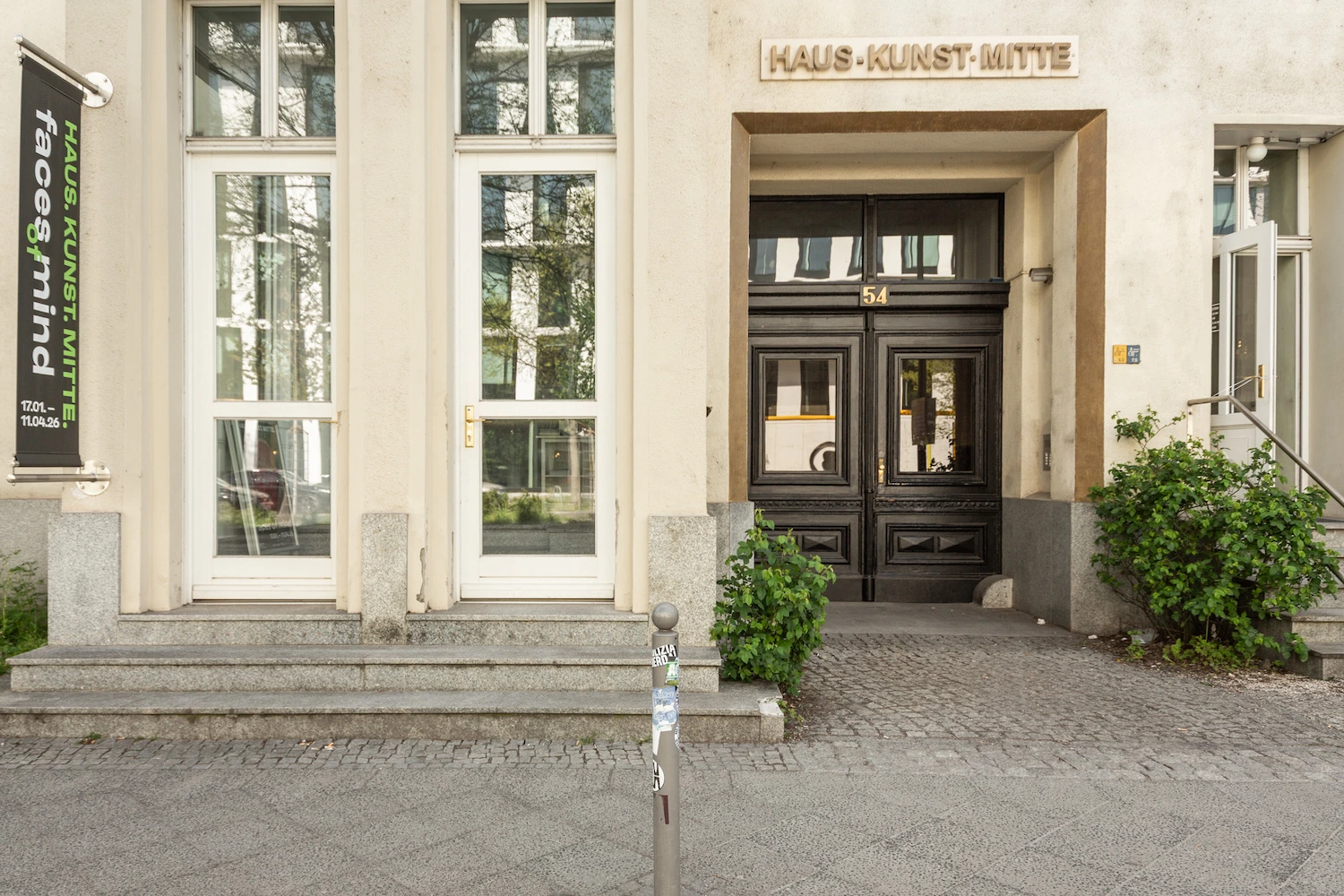
Haus.Kunst.Mitte. was built in 1870 and was one of the few buildings in the area to survive the Second World War unscathed. Today it is an exhibition venue for national and international contemporary art.
Museum für Naturkunde Berlin (Museum of Natural History Berlin)
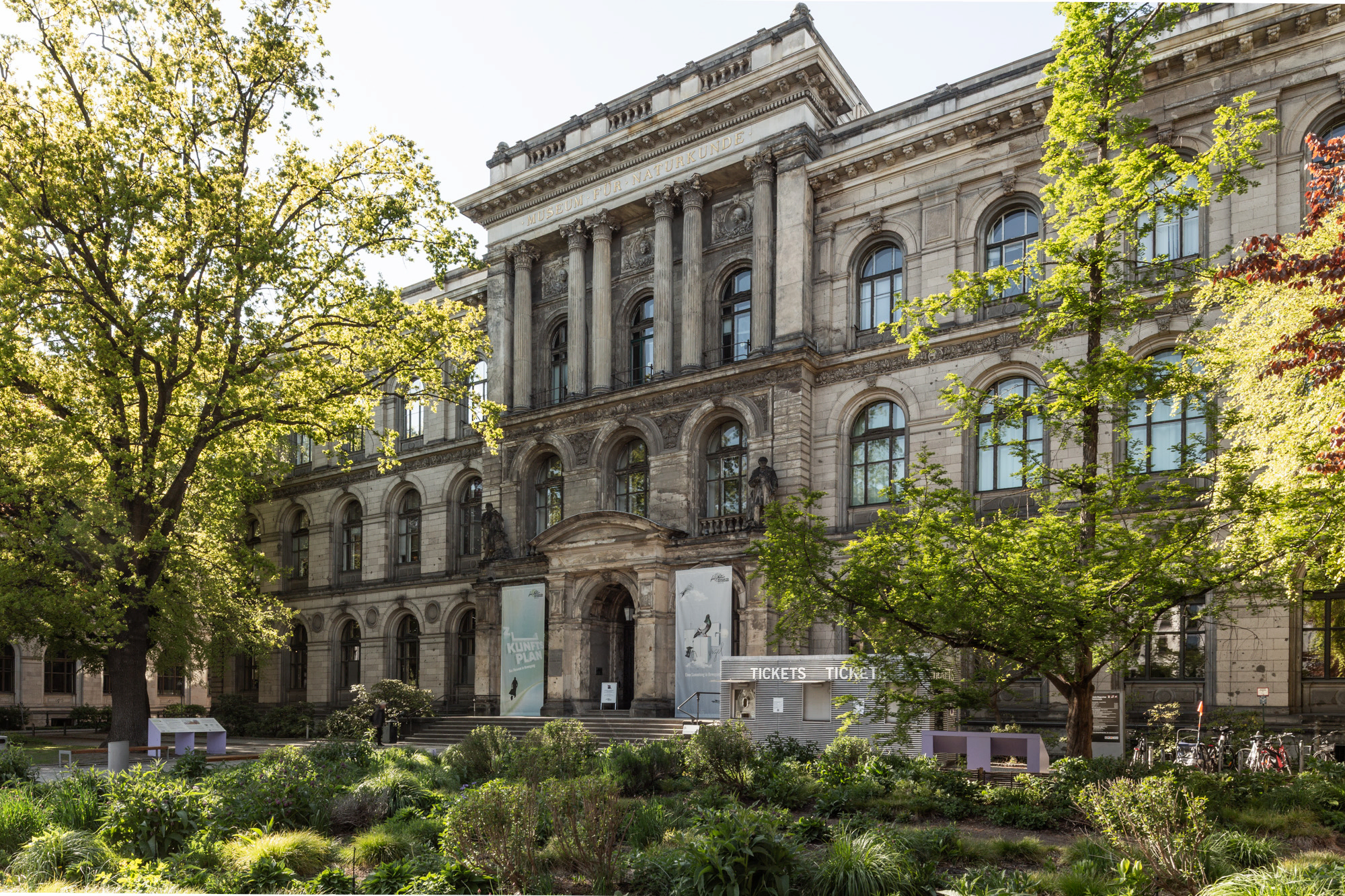
The Museum für Naturkunde Berlin is an outstanding, integrated research museum within the Leibniz Association, with an international reputation and a globally networked research infrastructure. As an innovative communication hub, it aims to help shape the scientific and societal dialogue on the future of our planet and to foster the development of a democratic knowledge society.
Hamburger Bahnhof – Nationalgalerie der Gegenwart (National Gallery of the Present)
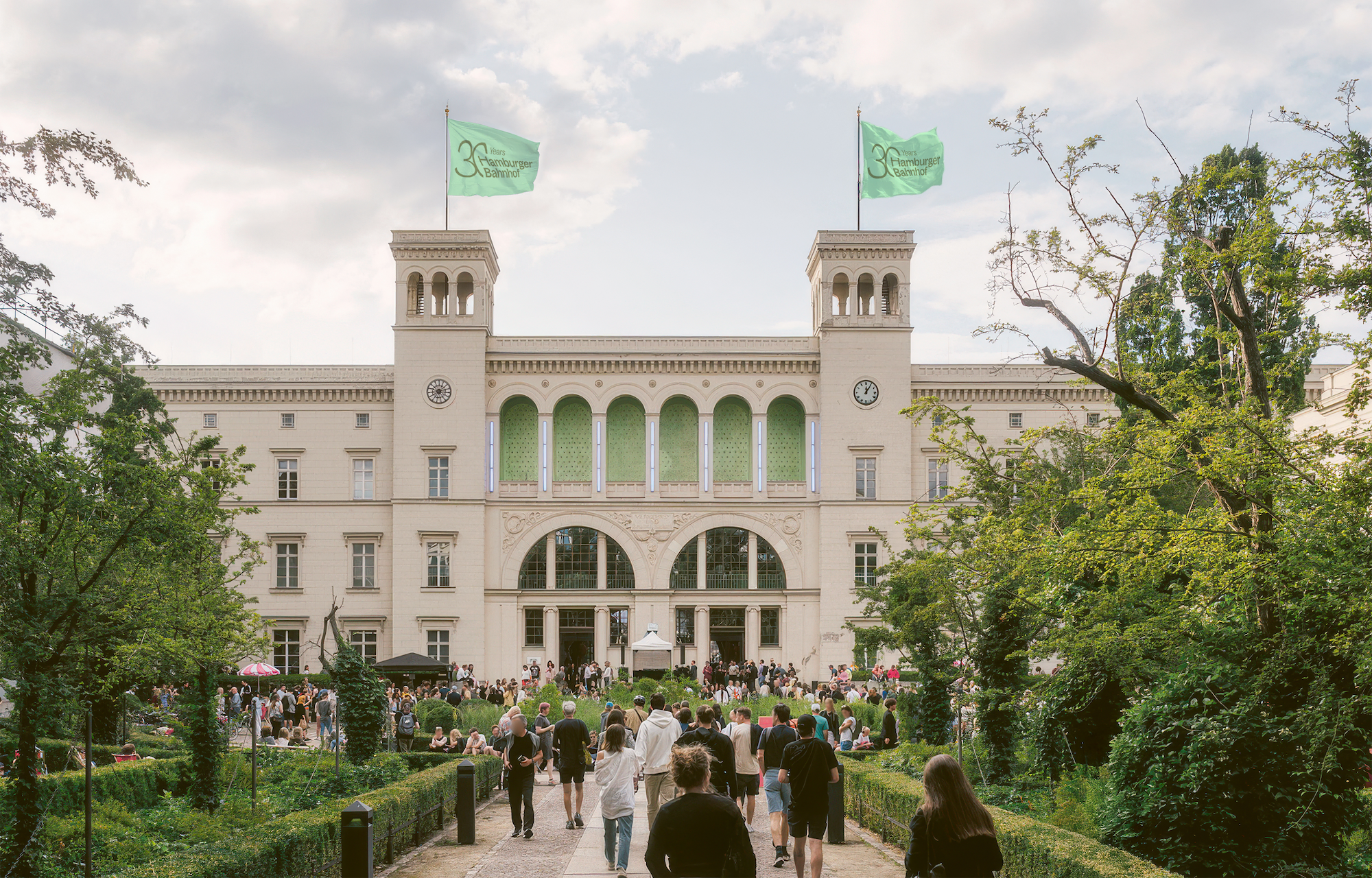
The Hamburger Bahnhof was one of Berlin’s major terminus stations in the 19th century – a place of arrival, departure and transition. To this day, this history shapes the museum of contemporary art in the heart of Berlin. Like Berlin itself, the Hamburger Bahnhof is full of complexity and contrasts, with change as its constant.
Futurium – House of Futures
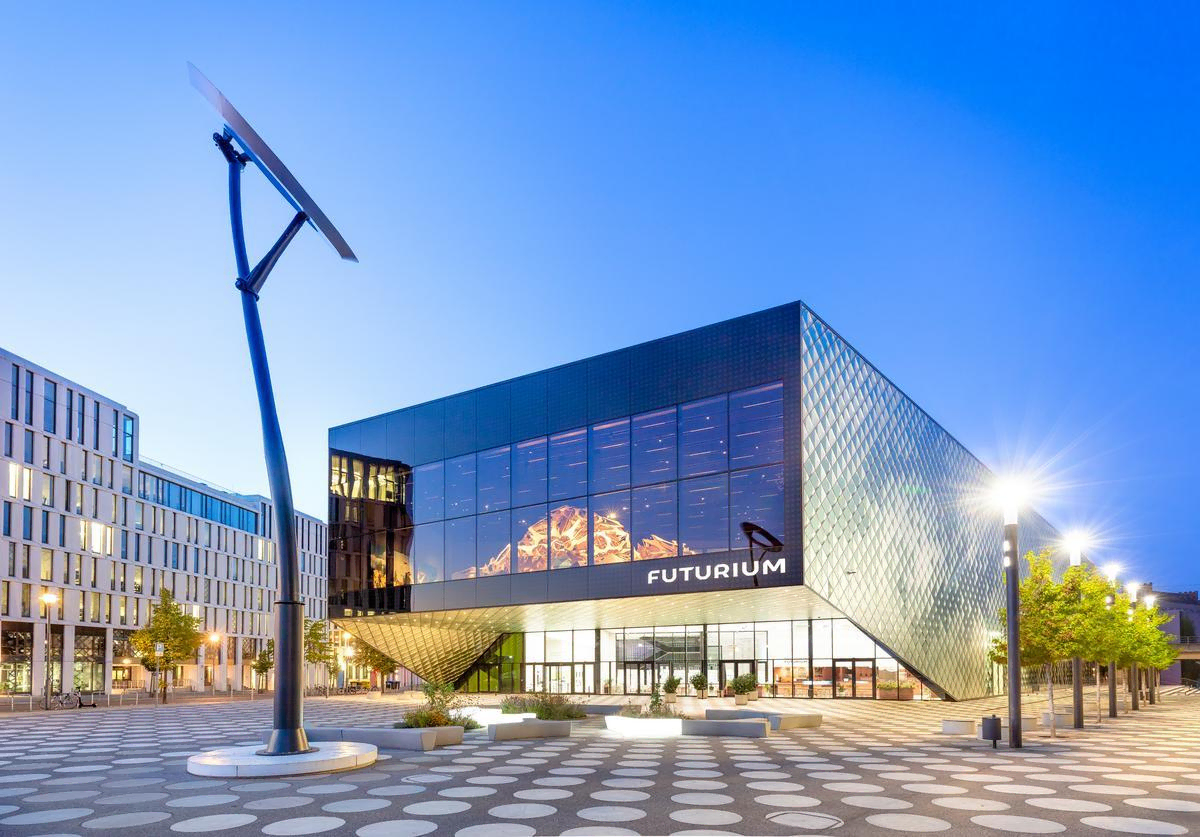
The Futurium is the House of Futures, where the question “How do we want to live?” takes centre stage. It sees itself as a place for reflection and discussion on the challenges and opportunities of the future. The permanent exhibition is divided into three sections: People, Nature and Technology. In addition, there is a lab and an events forum, as well as a wide range of digital formats. Admission is free.
Berliner Medizinhistorisches Museum der Charité (Charité Berlin Museum of the History of Medicine)
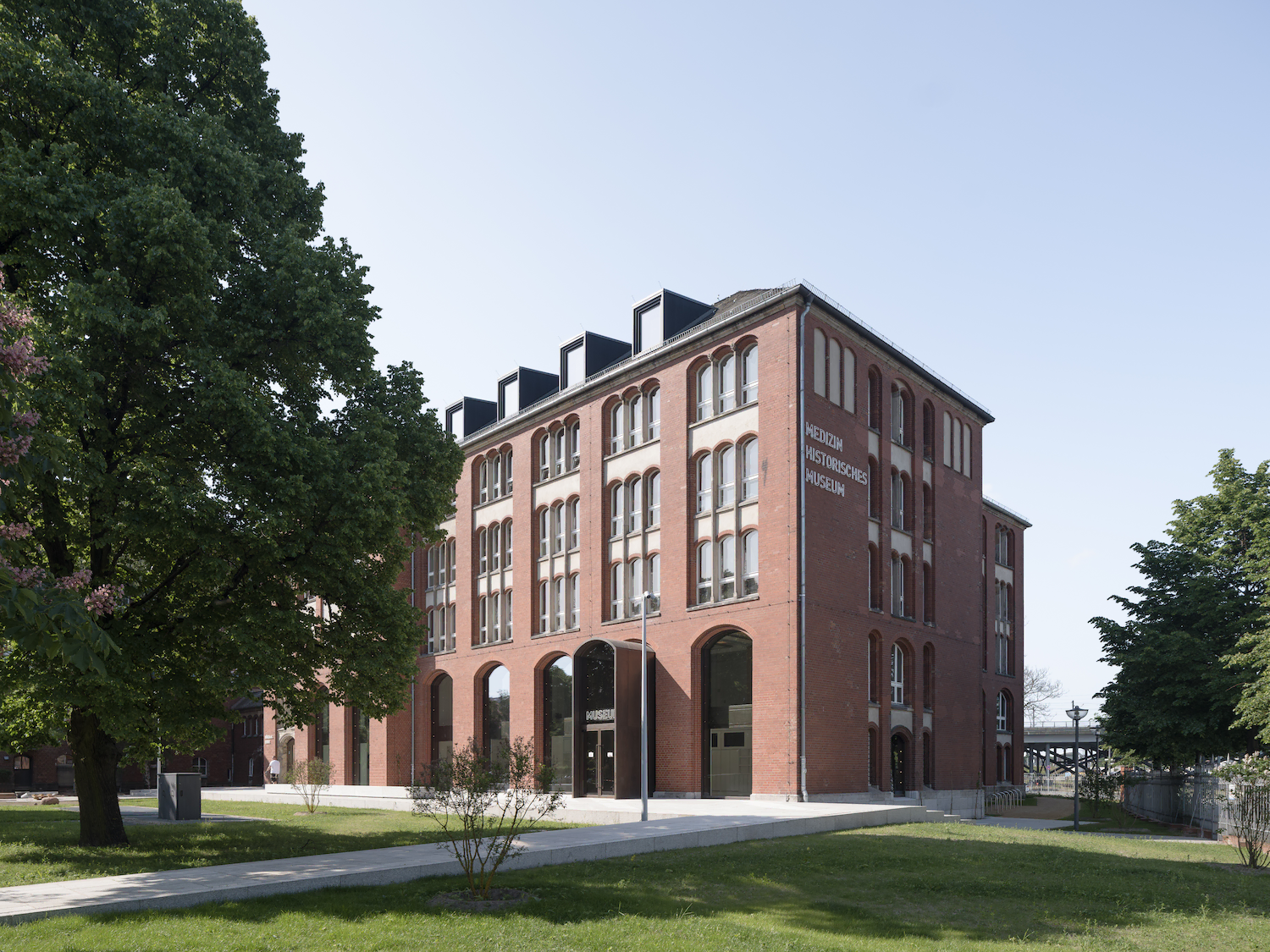
The Berlin Museum of the History of Medicine at the Charité traces the development of medicine over the last 300 years. The permanent exhibition features around 750 pathological and anatomical specimens and offers insights into the anatomical museum, the laboratory and the ward. Special exhibitions bring together medicine, culture and history.
BACiO della MAMMA BERLIN
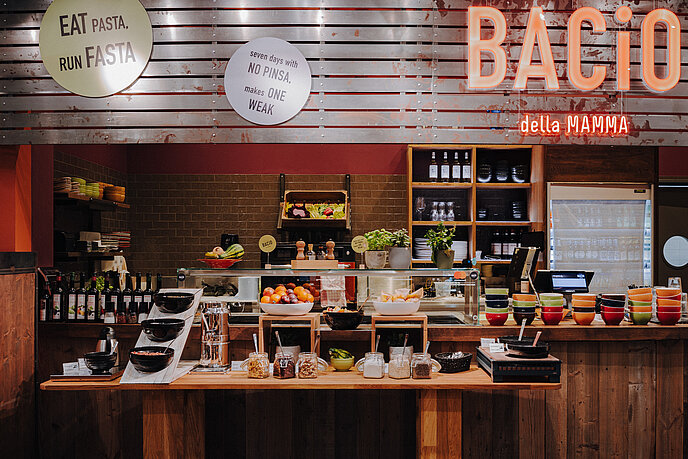
Pinsa e altro – Authentic, Mediterranean lifestyle in the URBAN LOFT Berlin
At BACiO della MAMMA Berlin, we embrace the Chiosco vibe: order first, then enjoy your freshly prepared meal.
It’s really easy via our self-order terminals or by scanning the QR code at your table.
Reservations? We take them.
The star of the evening? The food!
When your pinsa and other dishes are ready, we’ll call out your order number – and you can come and collect your taste of Italy.
Relaxed, warm and friendly – right in the heart of our beautiful loft. Benvenuti!
Il Porto
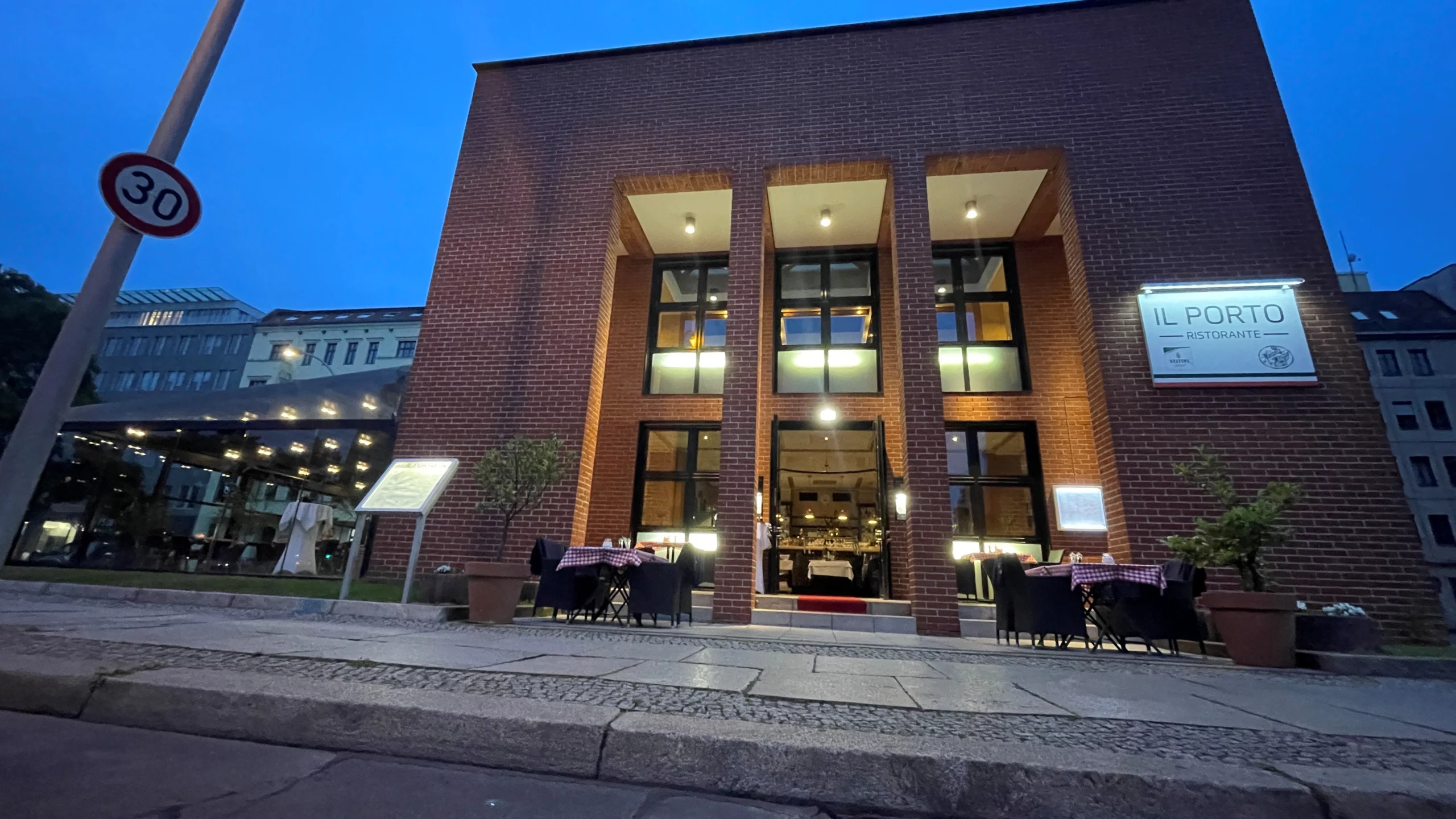
Il Porto is an Italian restaurant in the heart of Berlin, right on Robert-Koch-Platz. The restaurant offers authentic Italian and Mediterranean cuisine, featuring a wide selection of freshly prepared pizzas, homemade pasta, fish and meat specialities, as well as classic starters and desserts. The pleasant atmosphere is ideal for business lunches as well as family celebrations, dinners with friends or special occasions. With its friendly service and high-quality ingredients, Il Porto stands for genuine Italian hospitality and culinary delight in Berlin.
L’Osteria Berlin Humboldthafen
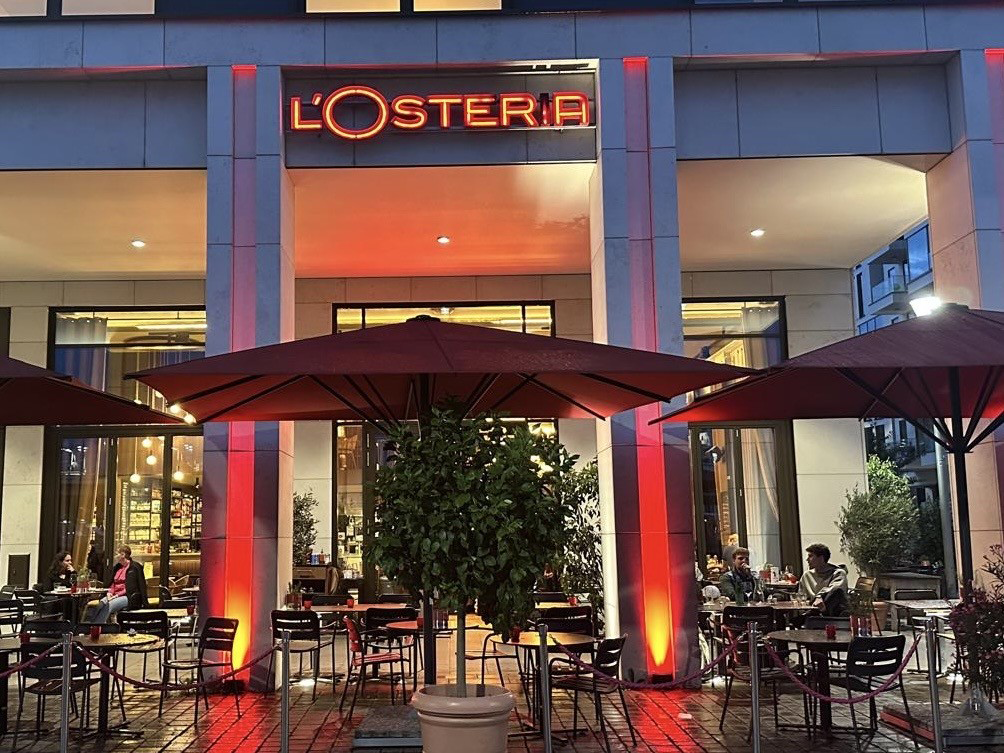
Anyone wishing to embark on a culinary journey of discovery to Italy is warmly invited to drop anchor here. Ships passing by, the water lapping rhythmically against the quay wall, the scent of freshly baked pizza and pasta with truffle oil in the air – are we in Venice? No, we are right in the heart of Berlin, at Humboldthafen. Our fourth Berlin location is situated right on the listed Humboldthafen in the Berlin Mitte district. The beautiful setting on the River Spree and the walking distance to the main station make it particularly attractive not only for our dear Berliners, but also for commuters who wish to spend a short break in Bella Italia.
rebenkind
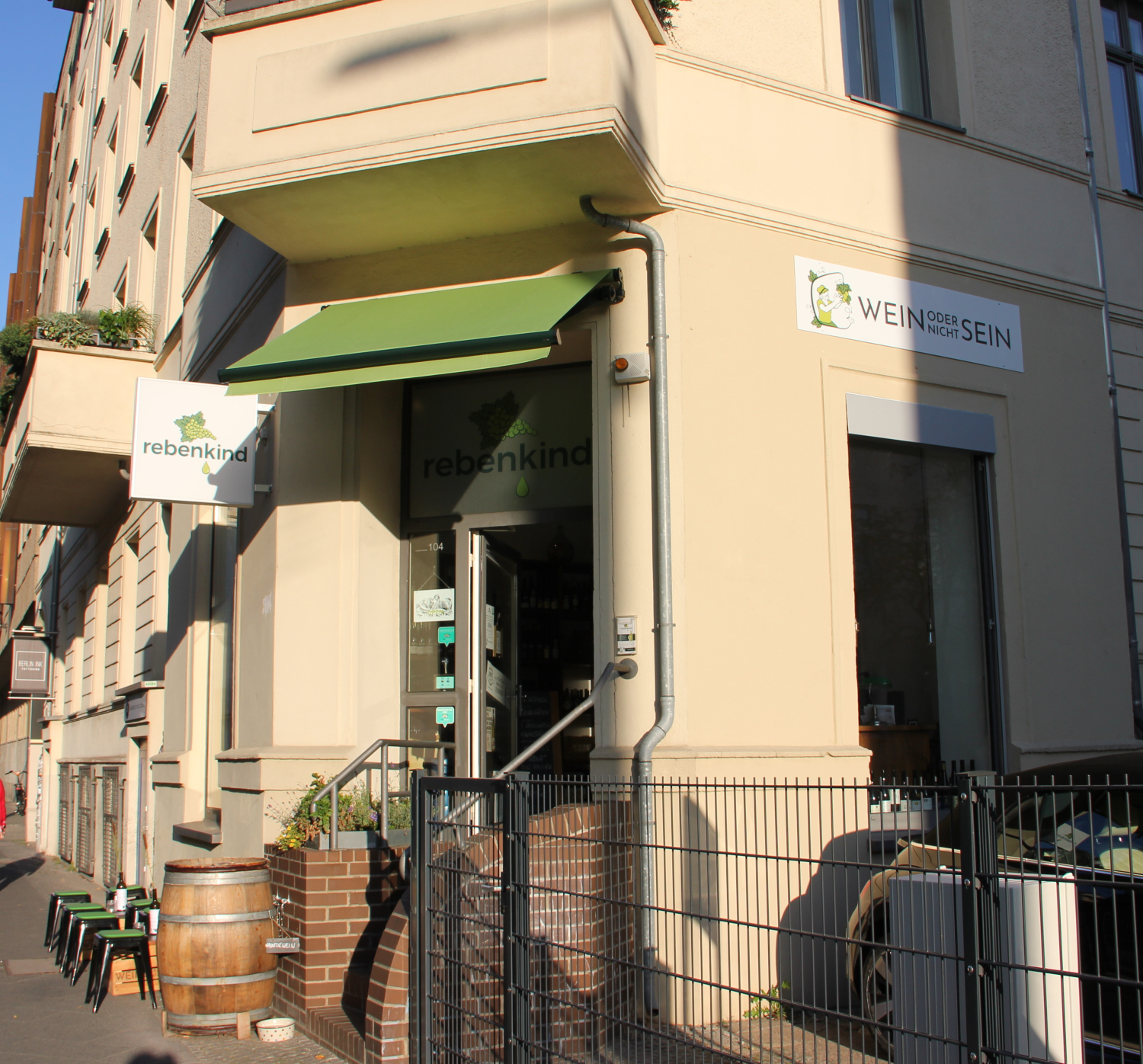
TO WINE OR NOT TO WINE, that is the question: rebenkind, with its wine shop and wine bar, invites you to enjoy a relaxed glass of wine in a cosy, living-room atmosphere. Come and get some friendly advice and sample our ever-changing selection of wines by the glass. We’re also happy to open any bottle for you at the shop price, plus a small service charge. You can also join an “Easy Wine Tasting” session without booking in advance.
Restaurant Konstantin
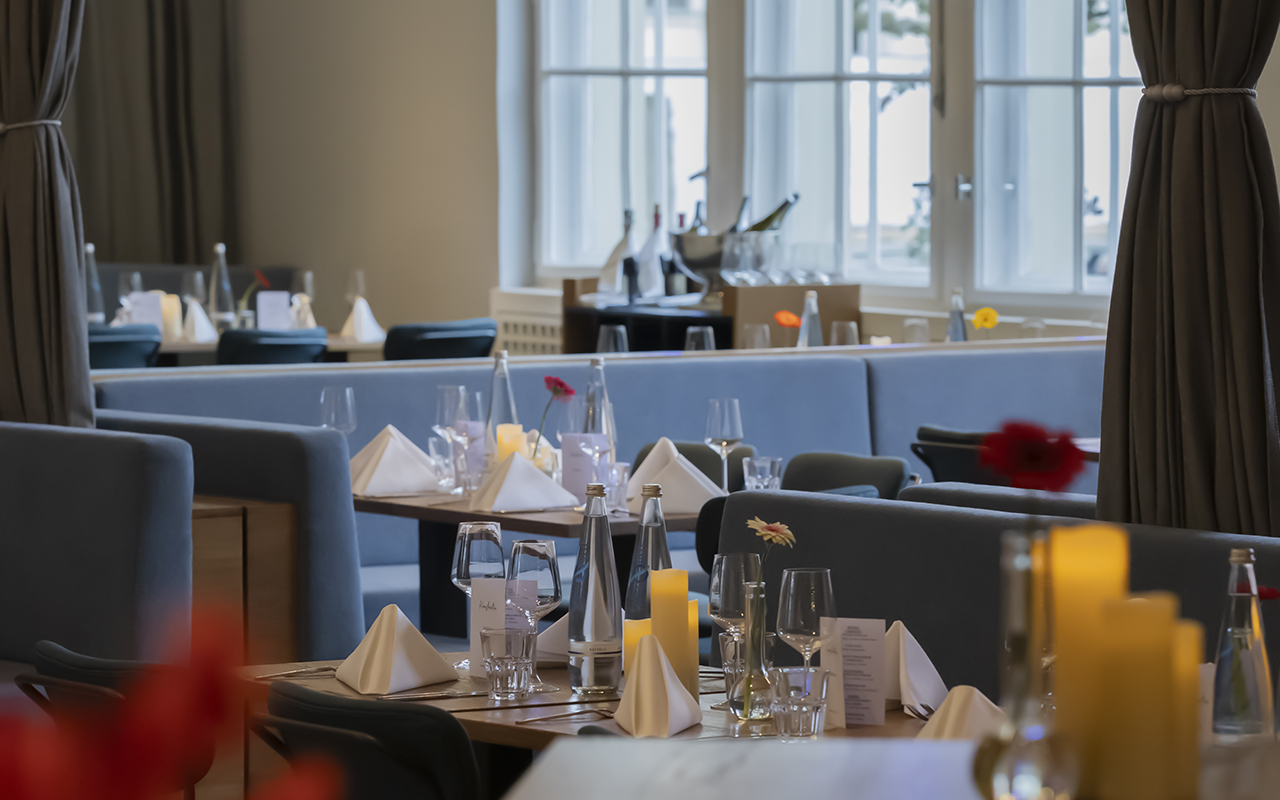
At the Hamburger Bahnhof, the Konstantin restaurant combines contemporary art with culinary craftsmanship. Behind the historic façade, guests are greeted by a modern, newly designed interior right on the waterfront. Whether you’re visiting the museum or attending an event, everything here is made in-house with great care and genuine craftsmanship – top-quality produce from our own kitchen that you can really taste.
Reinhard Bär
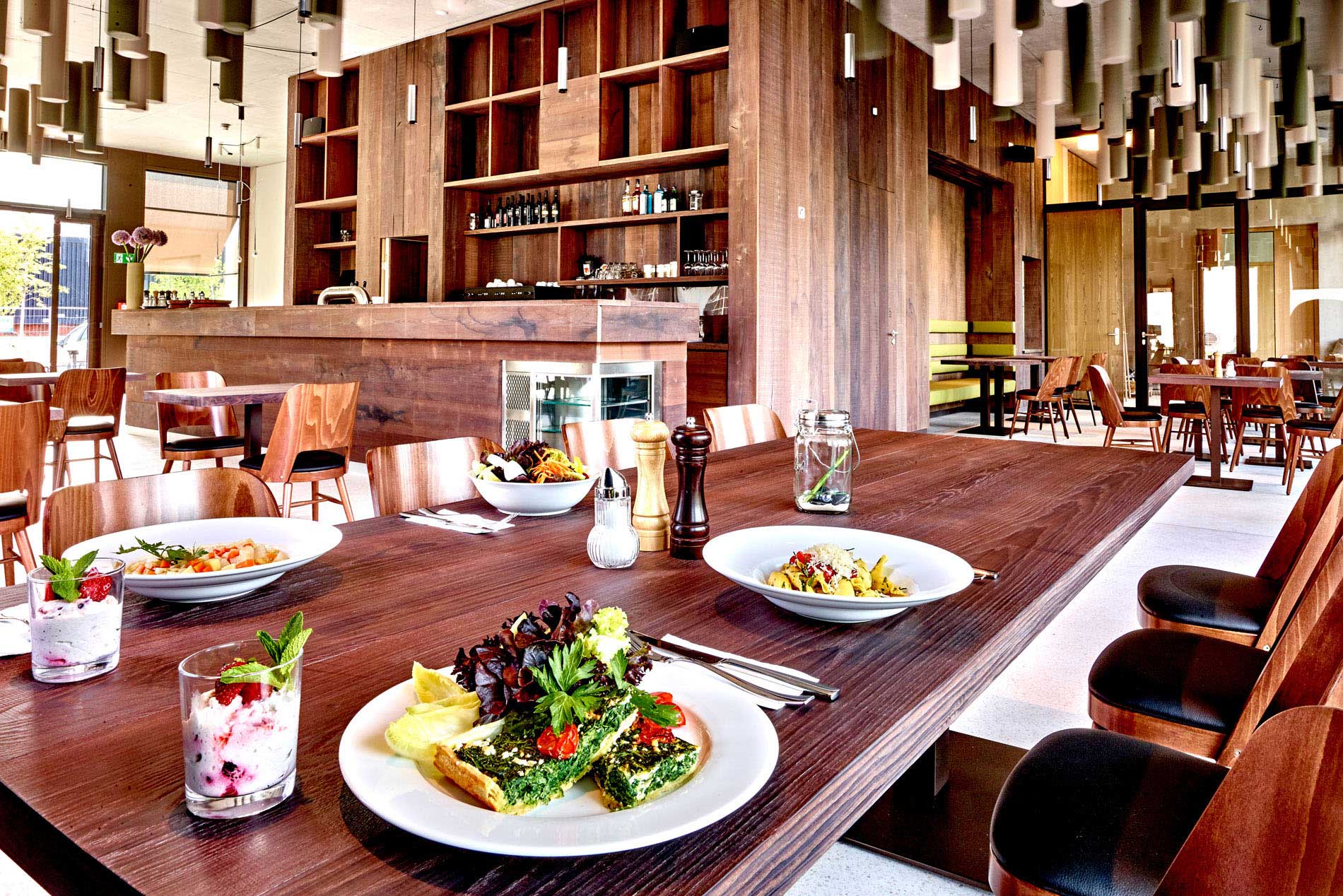
The “Reinhard Bär” – situated at the gateway to Europacity, just a short walk from the Hamburger Bahnhof and the main railway station – is the perfect spot for an enjoyable lunch break. Between seven and ten changing dishes each day ensure a tasty variety. What kind of cuisine does this new restaurant, with its strikingly pleasant interior, offer? The menu features dishes to suit everyone – whether regionally or Mediterranean-inspired, with or without meat.
Viet Bowl am Kanzleramt
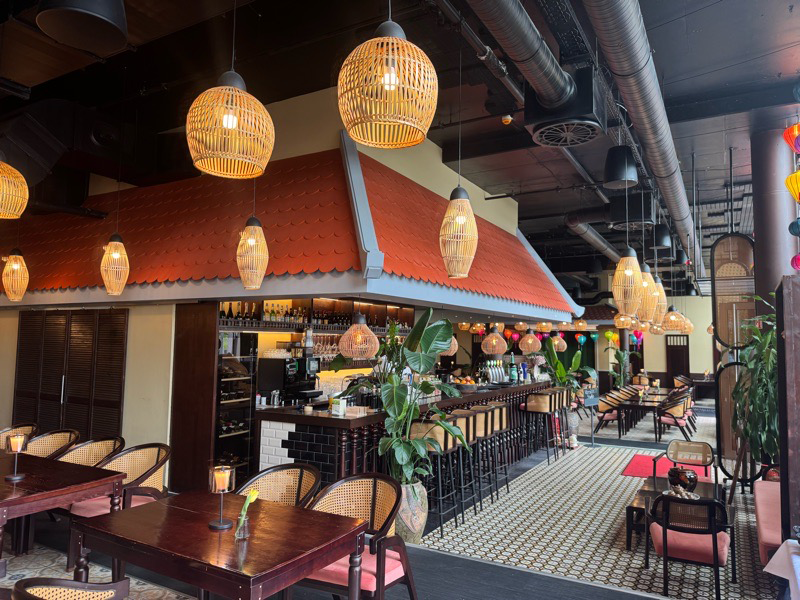
Viet Bowl offers authentic Vietnamese cuisine, fresh ingredients and a modern atmosphere in the heart of Berlin. Our dishes combine traditional Vietnamese recipes with an international flair and are prepared with passion and attention to detail. We aim not only to serve our guests good food, but also to offer them a unique experience of Vietnamese culinary culture.
GAMBINO’s by Amano
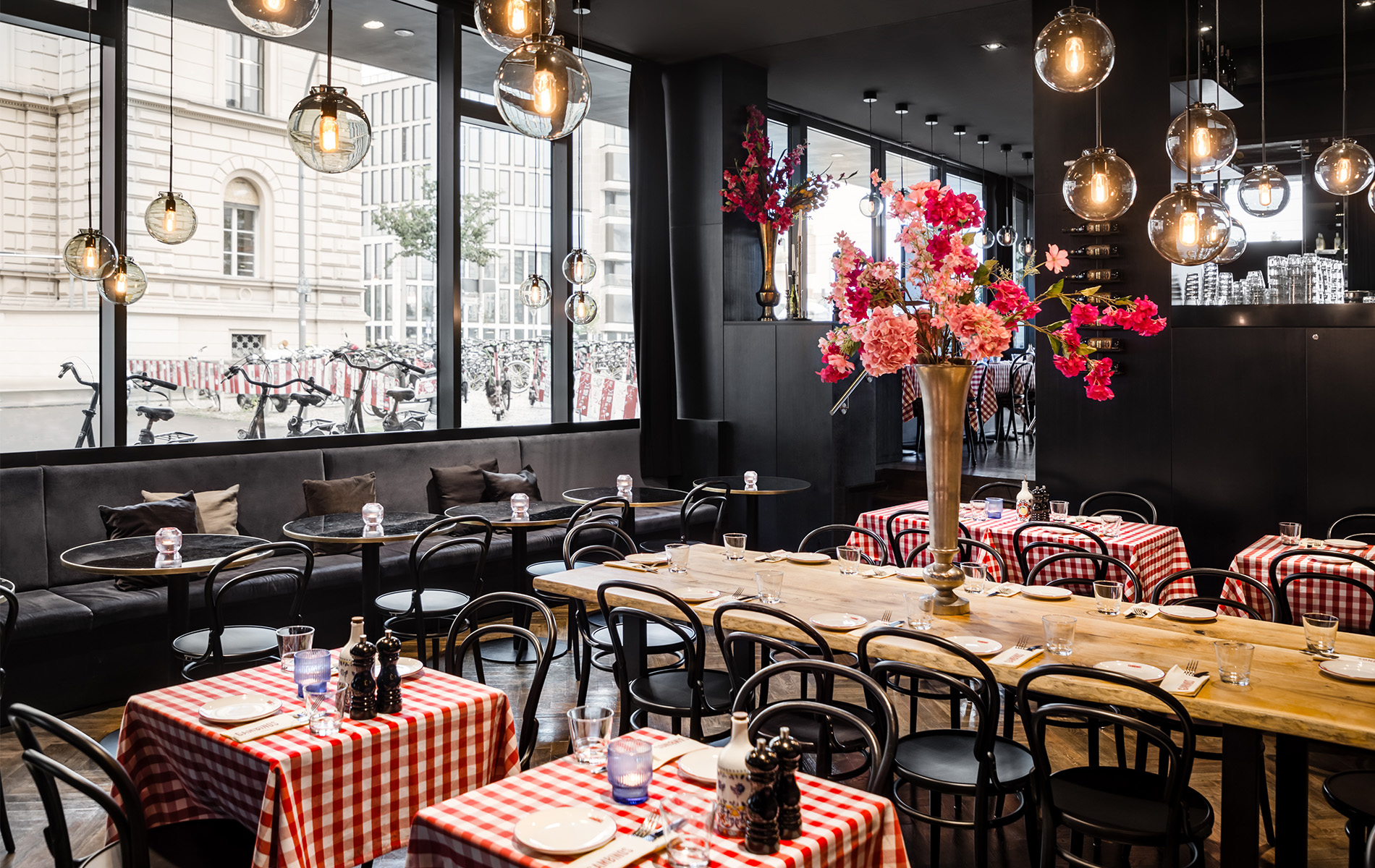
It takes 17 hours by train from Berlin Central Station to Naples, but here at GAMBINO’s by AMANO, you’re just a stone’s throw away from Italy. Our restaurant, located in AMANO Grand Central, brings the authentic flavours of Italy to Berlin – and this is our second venture! GAMBINO’s by AMANO is the next successful chapter in our Italian journey, building on the success of Mario x Gambino in Friedrichshain. Pop in and immerse yourself in a world where the flavours of freshly baked pizzas blend with aromatic sauces. We place great importance on authenticity and use only the finest ingredients for every dish, sourced from local markets and trusted suppliers in Italy, for example.
Whether you fancy homemade pizza, pasta or a cosy dinner: experience a taste of Italy without having to travel far. Come and visit us at GAMBINO’s by AMANO, where every meal is a celebration of Italian cuisine. Buon appetito!
Amy’s Coffee
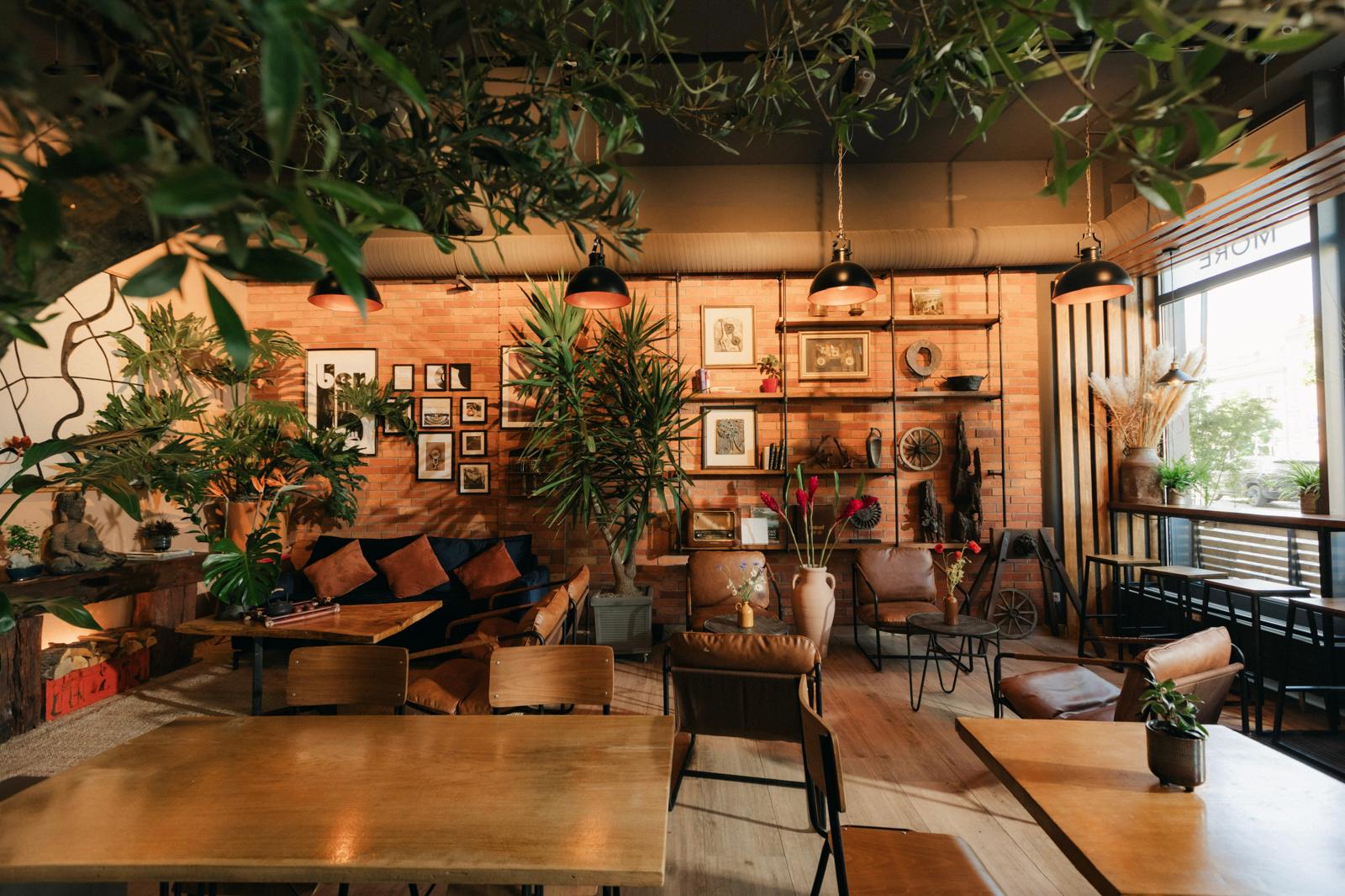
Amy’s Coffee is a modern café and restaurant in the heart of Berlin-Mitte, just a stone’s throw from the main station. We combine Vietnamese and international cuisine with high-quality coffee specialities. Our guests enjoy breakfast, brunch, fresh banh mi, sushi, bowls and light lunch dishes in a relaxed atmosphere. Alongside classic espresso, we offer special creations such as Vietnamese coconut coffee, egg coffee, matcha specialities and seasonal drinks. Amy’s Coffee stands for fresh ingredients, hospitality and a place where neighbours, visitors and tourists alike are welcome.
Magic John’s Pizza Garage & Beer Garden
Happiness comes from within
MarcAnns Café
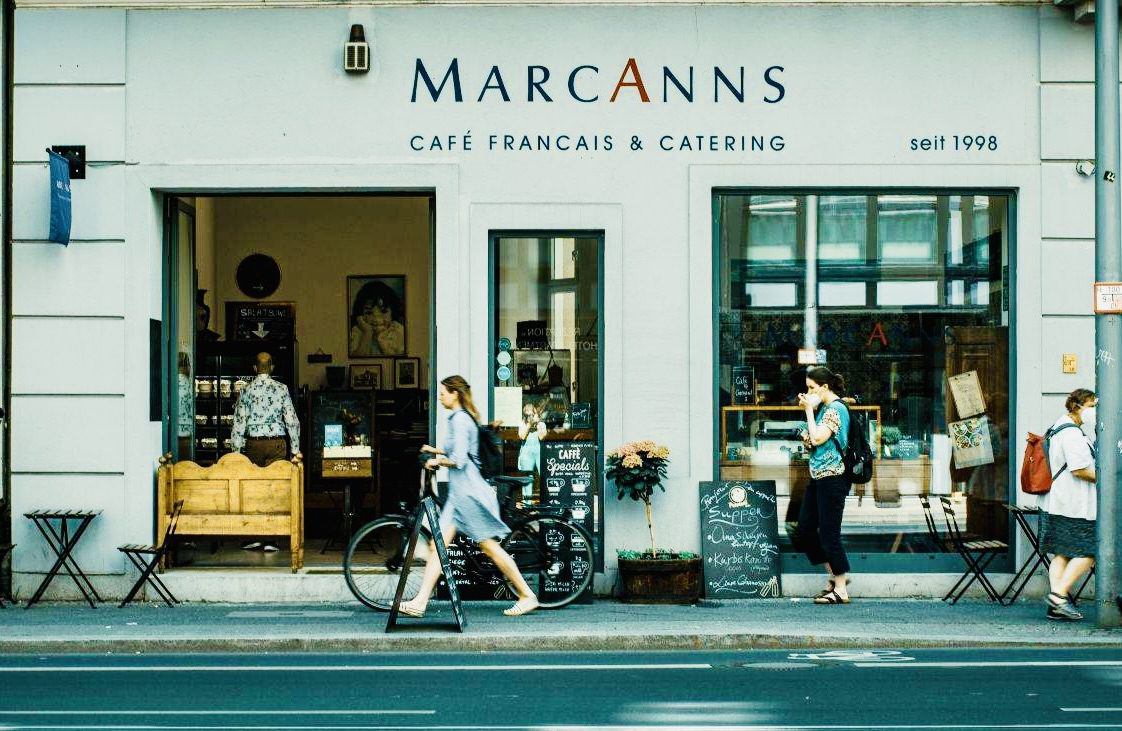
French Café since 1998 in Berlin.
Egen Tied

Egen Tied, which means ‘your own time’ – the perfect spot for a quick break. Right in the heart of Berlin, between the main station and the Natural History Museum, you’ll find a place to relax and recharge your batteries. We may not have a cool sea breeze to offer, but we do have a refreshing atmosphere, great drinks and a selection of snacks for lunch or a quick bite to eat between meals.
URBAN LOFT Berlin
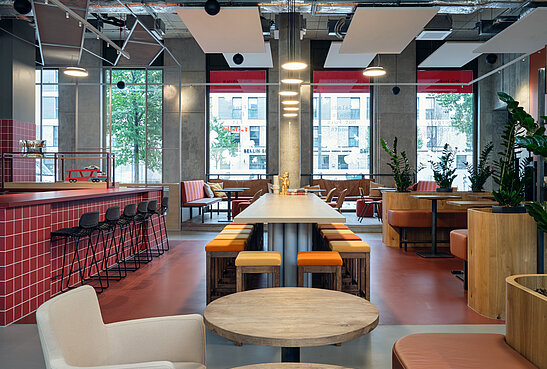
You can feel that you’ve arrived. You step into the loft—our soul—in the heart of Berlin. There’s always something going on here. Friendships are formed here. Like-minded people come together here. You belong here. We’re your creative hub. Here, a love of travel meets a sense of community.
180 rooms starting at 16 square meters. Open space. Co-working area. Cinema or screening room. Gym. URBAN FOOD. Outdoor terrace in a quiet courtyard. Rooftop terrace with a view over Berlin. Underground parking spaces. And much more.
Check in digitally first. Then take a look at what else we have to offer.
Motel One Berlin Hauptbahnhof
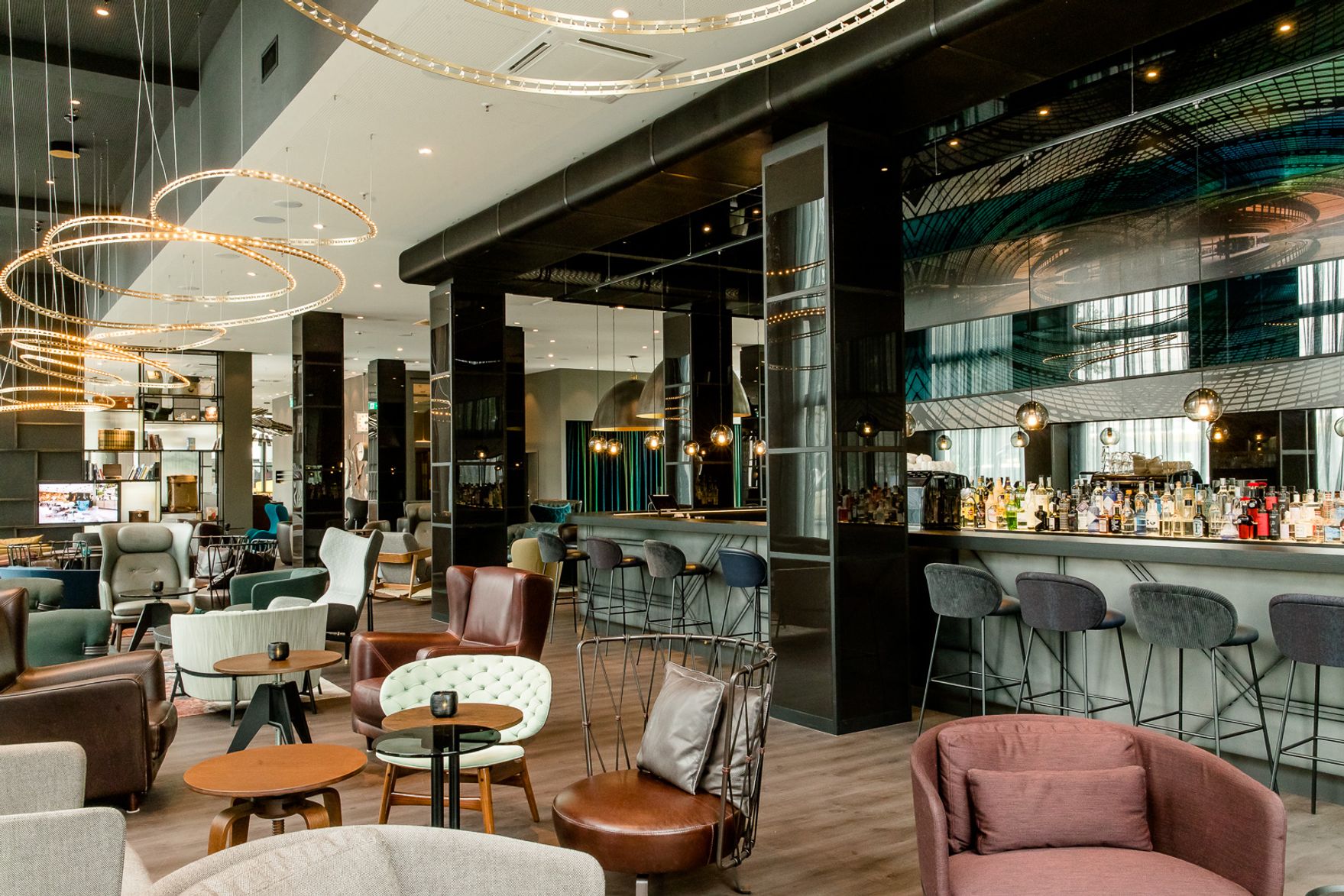
Brandenburg Gate, the government district or Potsdamer Platz: from the Motel One Berlin-Hauptbahnhof it’s easy to reach all the important sites in the German capital on foot or by public transport.
INNSiDE by Meliá Berlin Mitte
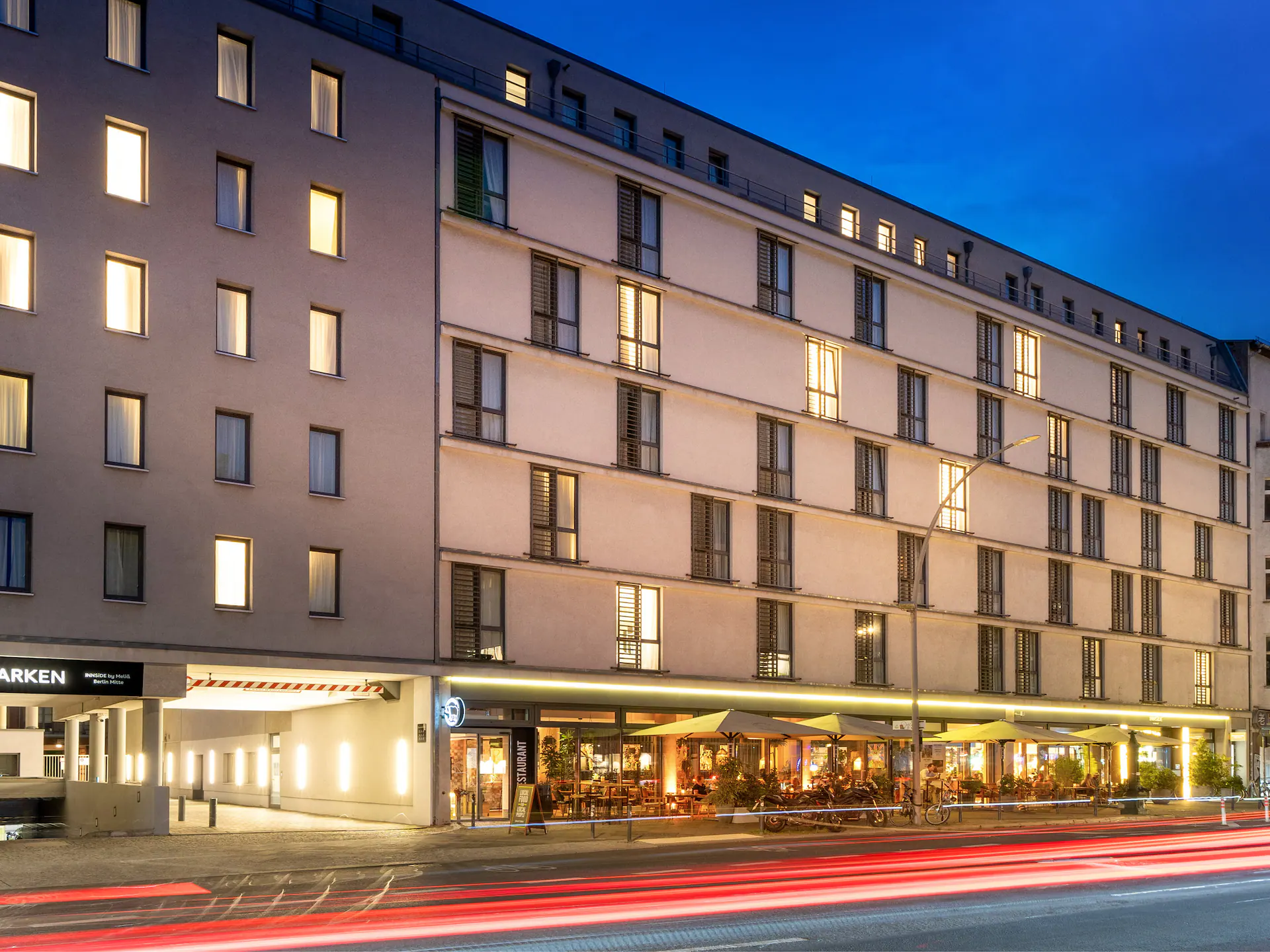
A stay in the heart of Berlin’s creative scene
German avant-garde and Spanish hospitality combine perfectly in this excellent urban hotel. An ideal base for discovering Germany’s exciting capital. Located in one of Berlin’s emerging districts, very close to major attractions for understanding its modern history, such as the Brandenburg Gate, Alexanderplatz, or Checkpoint Charlie. Designed to ensure you enjoy comfort and well-being thanks to its contemporary functionality. Welcome to the best of Berlin.
Berlin is history, art, avant-garde. Berlin’s new creative pulse can be felt on every street, with new fashion brands, fascinating art galleries, and modern nightclubs. Discover it all at INNSiDE Berlin Mitte, starting with its spectacular mural in the hotel’s inner courtyard. A well-located and well-connected hotel. A place where you can stay in style and comfort in excellent rooms and enjoy delicious dining options at the lobby bar and lounge or the innovative Crafterie restaurant. A city and a hotel to be discovered.
Meliá Berlin

Feel the heartbeat of this vibrant city
Start the day by the iconic River Spree, stroll through the famous Alexanderplatz and savour a delicious currywurst by the Brandenburg Gate. Our hotel is located on the busy Friedrichstrasse, an important street that crosses Berlin from north to south and is well connected to all the city’s main attractions.
The interior design of Meliá Berlin combines the avant-garde style of the German capital with the charm of the Mediterranean. It features spacious and comfortable rooms prepared with the greatest attention to detail, and also offers special The Level suites with extra luxury and comfort for guests.
AMANO Grand Central Berlin
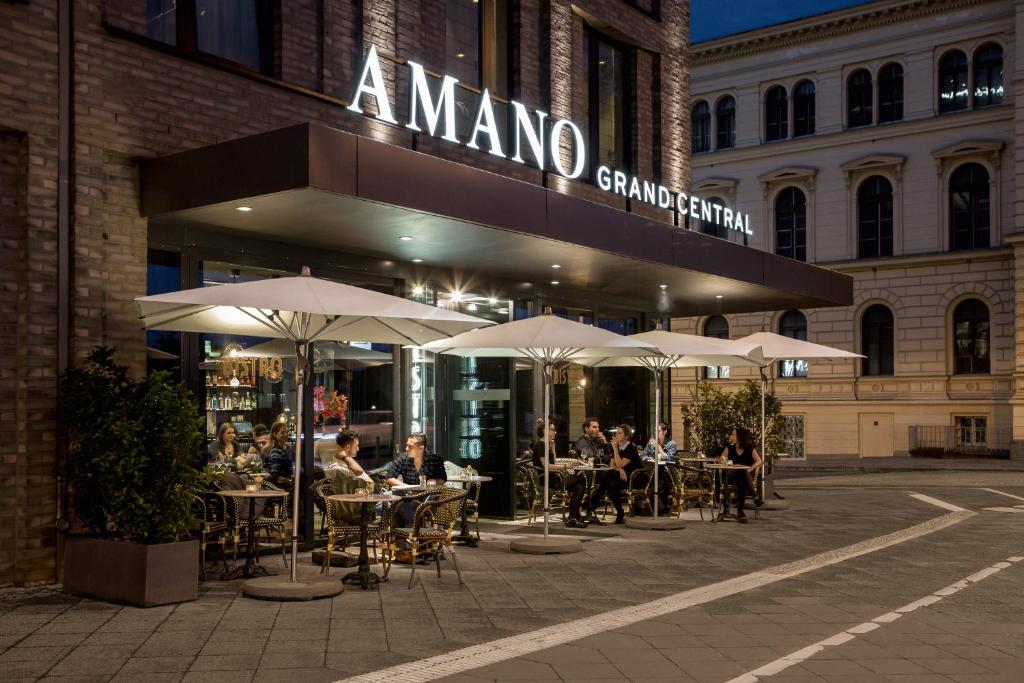
Opposite the main railway station, the Hotel AMANO Grand
Central welcomes all those with big plans for Berlin. To describe the hotel’s location as central
would be an understatement; its range of facilities knows no bounds:
In the rooms and suites, a radiant interior harmonises with
dark parquet flooring. A spacious conference room can be adapted to suit individual
requirements. The rooftop terrace is the perfect venue for events with
panoramic views and welcomes more than just hotel guests on summer evenings. And in the
APARTMENT Bar, sunsets and sunrises are a sight unlike anywhere else in
the city. Some of Berlin’s most legendary parties are held here.
In addition, the AMANO Grand Central offers little oases of tranquillity: in the
idyllic inner courtyard of the hotel, the mind finds peace, whilst the Italian
restaurant GAMBINO’s by AMANO takes the senses on a culinary journey.
Hotel ROMY by AMANO Berlin Hauptbahnhof
Best of three worlds
From Berlin’s Central Station directly to Tel Aviv via Tulum, Hotel ROMY’s bar, rooms and restaurant bring the character and charm of these three destinations together.
This super-central boutique hotel embodies a sense of warmth and elegance through clever lighting concept, dark parquetry and organic silhouettes.
At the hotel’s restaurant, Amigo Cohen, the kitchen combines the culinary traditions of Mexico and Israel to create dishes that are equal parts fun and refined.
You may notice something glittering behind Bar Romy’s glass wall: there’s a top-tier selection of mezcal and tequila waiting to be enjoyed.
INNSiDE by Meliá Berlin Mitte
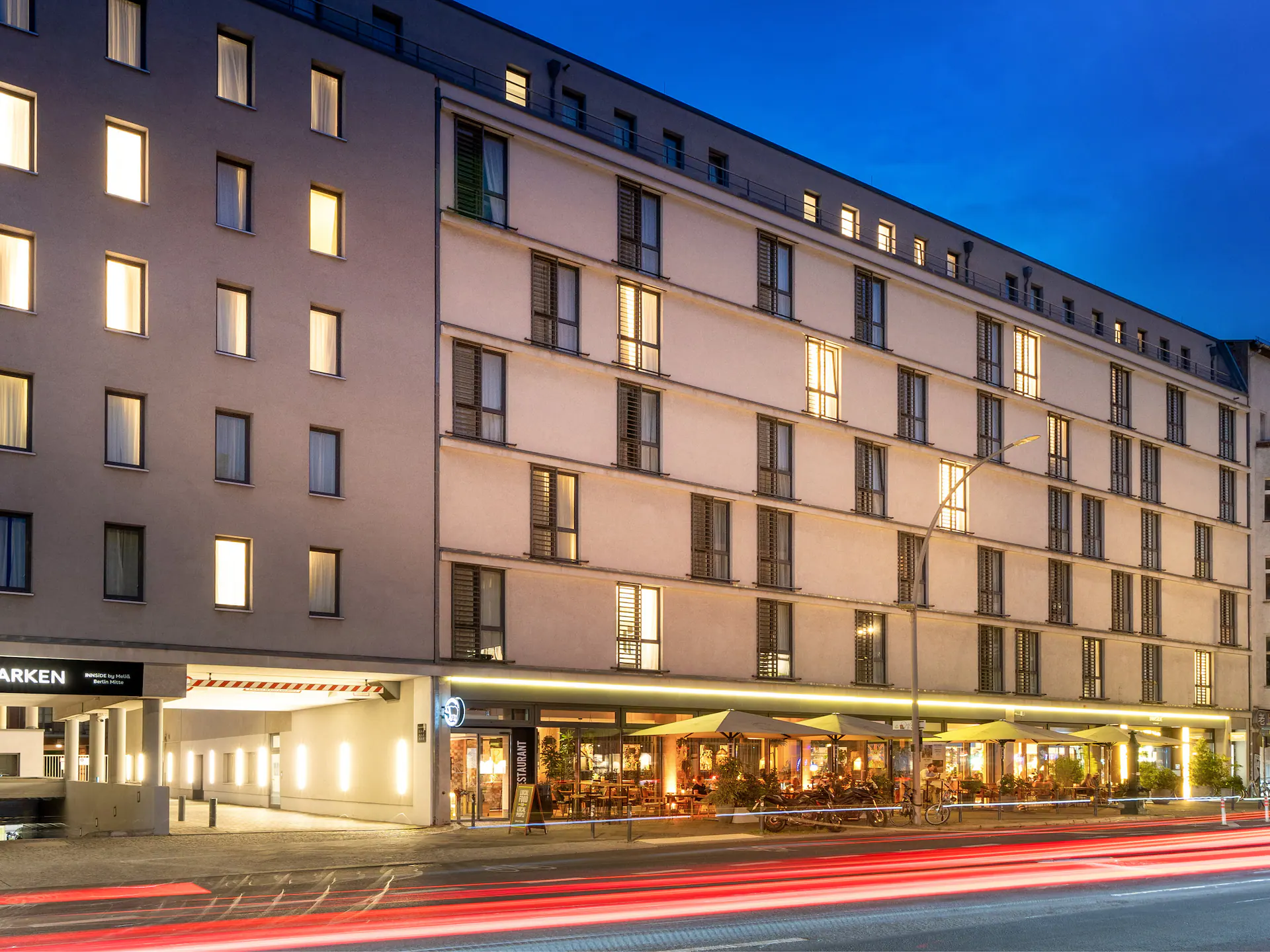
A stay in the heart of Berlin’s creative scene
German avant-garde and Spanish hospitality combine perfectly in this excellent urban hotel. An ideal base for discovering Germany’s exciting capital. Located in one of Berlin’s emerging districts, very close to major attractions for understanding its modern history, such as the Brandenburg Gate, Alexanderplatz, or Checkpoint Charlie. Designed to ensure you enjoy comfort and well-being thanks to its contemporary functionality. Welcome to the best of Berlin.
Berlin is history, art, avant-garde. Berlin’s new creative pulse can be felt on every street, with new fashion brands, fascinating art galleries, and modern nightclubs. Discover it all at INNSiDE Berlin Mitte, starting with its spectacular mural in the hotel’s inner courtyard. A well-located and well-connected hotel. A place where you can stay in style and comfort in excellent rooms and enjoy delicious dining options at the lobby bar and lounge or the innovative Crafterie restaurant. A city and a hotel to be discovered.
Geschichtspark Zellengefängnis Moabit
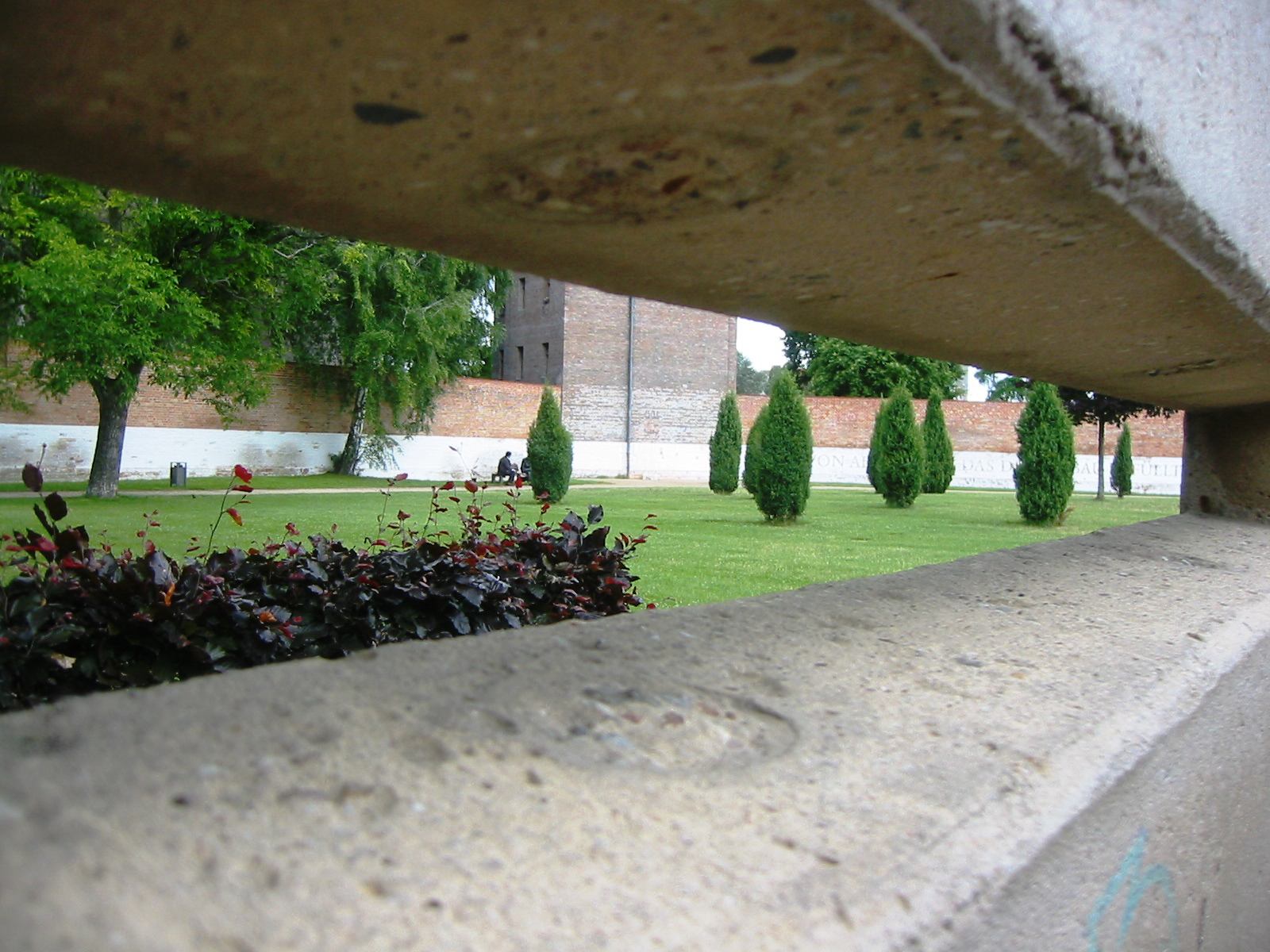
The “Geschichtspark Zellengefängnis Moabit” (Moabit Prison History Park) is a green oasis in a site steeped in history. It is situated on the grounds of a former prison and is still surrounded by the preserved prison walls. The brick walls, which are around five metres high, separate the park – which opened in 2006 – from the hustle and bustle of the main railway station directly opposite.
Döberitzer Grünzug (Green Corridor)
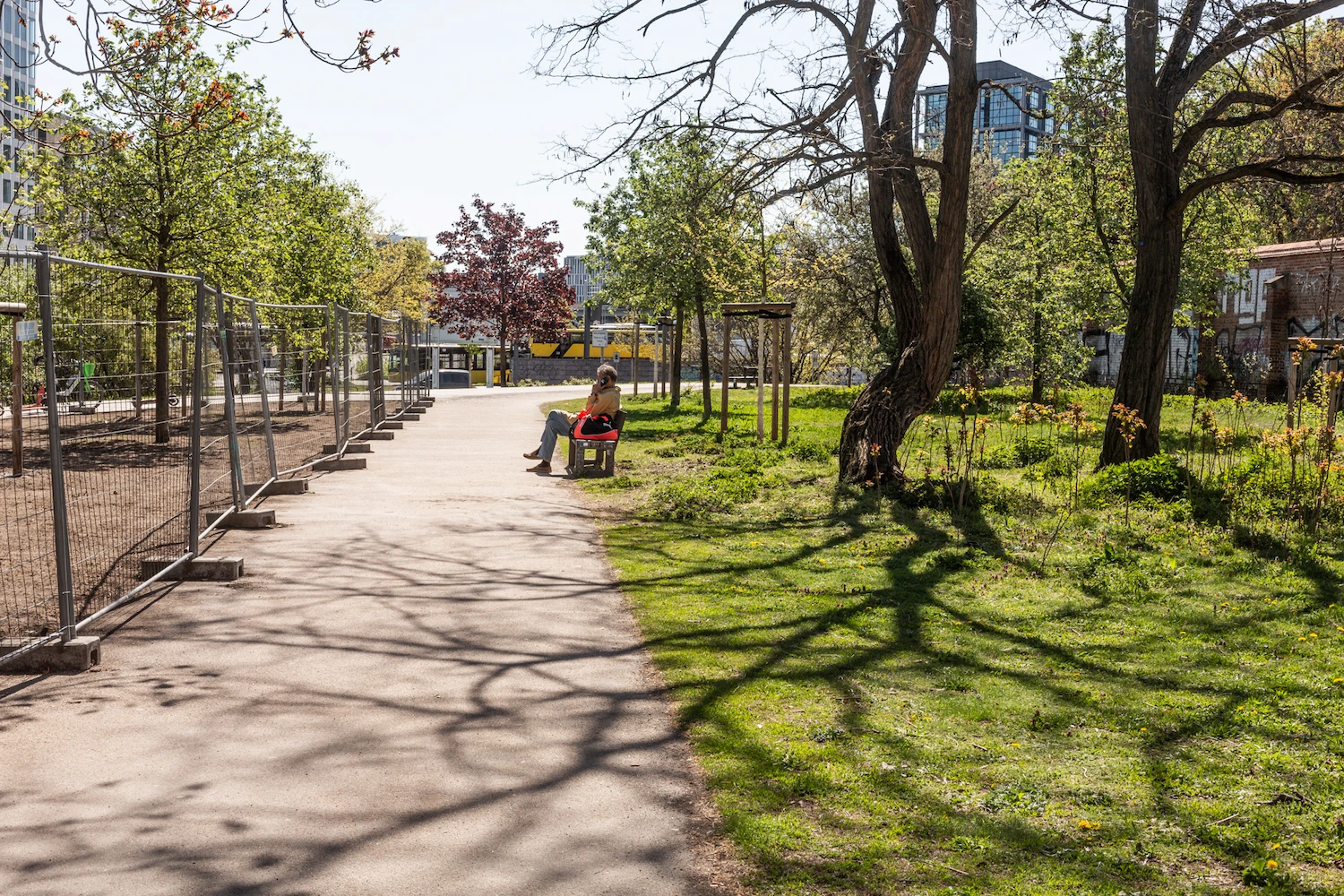
In the heart of Berlin, the Döberitzer Grünzug is creating a new public space that combines urban nature, neighbourhood life and urban development across some 4.5 hectares. Between Lehrter Straße, Europacity and MuseumsMeileMitte, a formerly derelict site has been gradually transformed since December 2024 into a versatile green space – serving as a green corridor and a vibrant place for people to linger, exercise and socialise in a changing urban neighbourhood.
Berlin-Spandauer-Schifffahrtskanal (Shipping Canal)
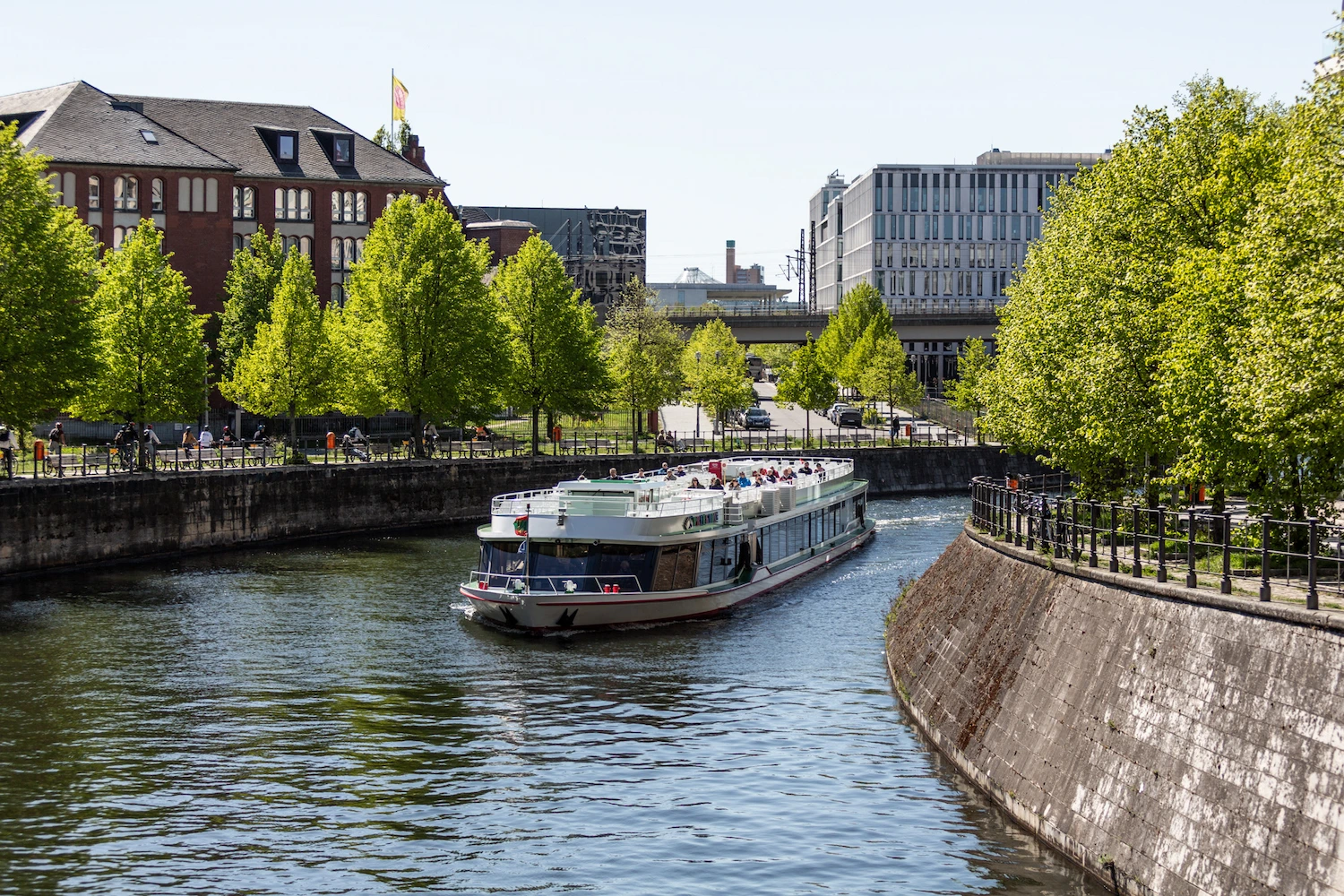
The Berlin-Spandauer-Schifffahrtskanal connects the rivers Spree and Havel over a distance of twelve kilometres. Originally known as the Spandau Canal, the waterway was constructed between 1848 and 1859 based on plans by Peter Joseph Lenné.
The canal begins at Humboldthafen, runs along Europacity to Nordhafen and finally flows into the Havel in Spandau.
Dorotheenstädtischer Friedhof and James Turrell Chapel
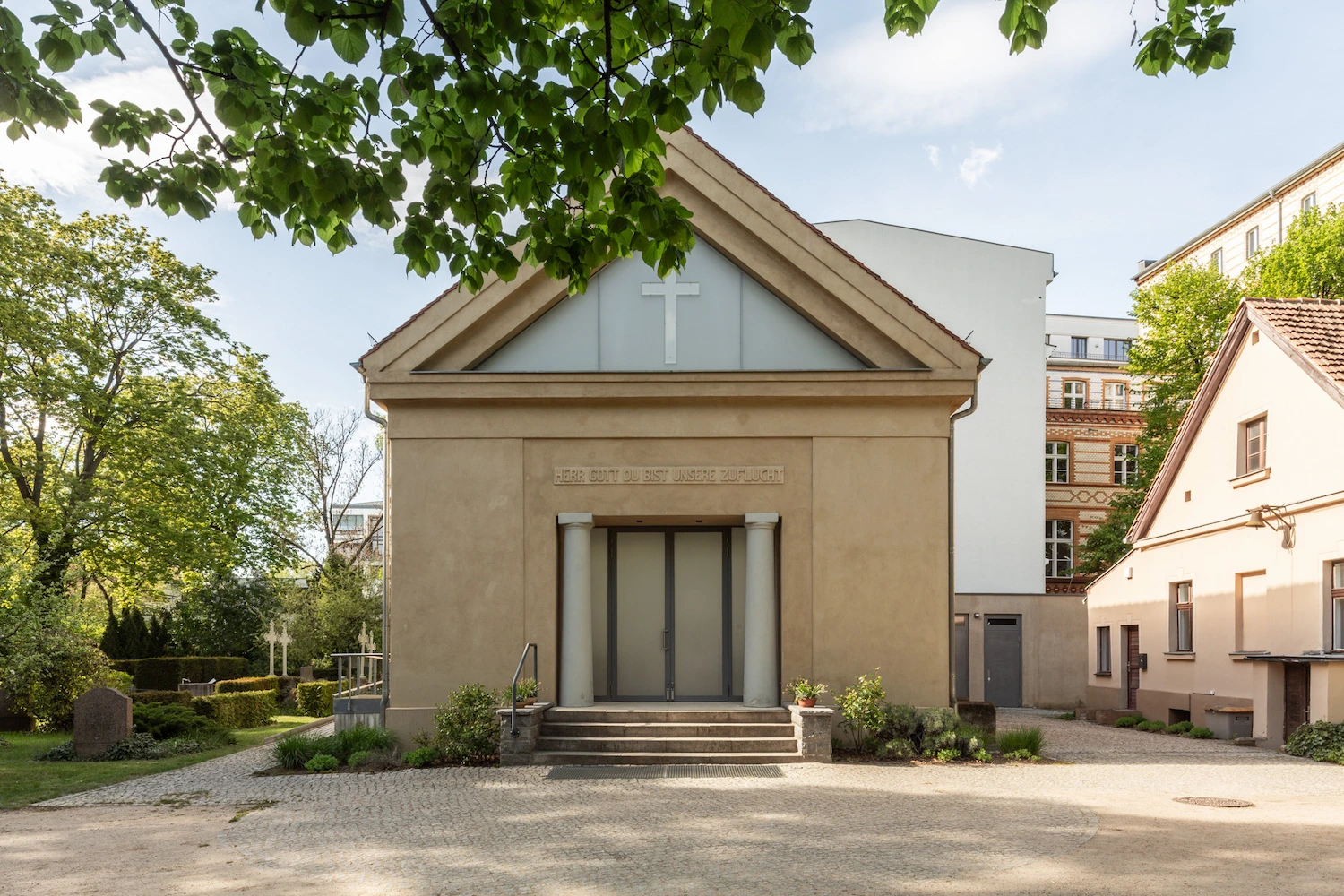
The Dorotheenstädtischer Friedhof was established in 1762 and is the final resting place of many well-known figures. Since 2015, the grounds have been home to the chapel designed by artist James Turrell, a place for light art, tranquillity and reflection.
Südpanke
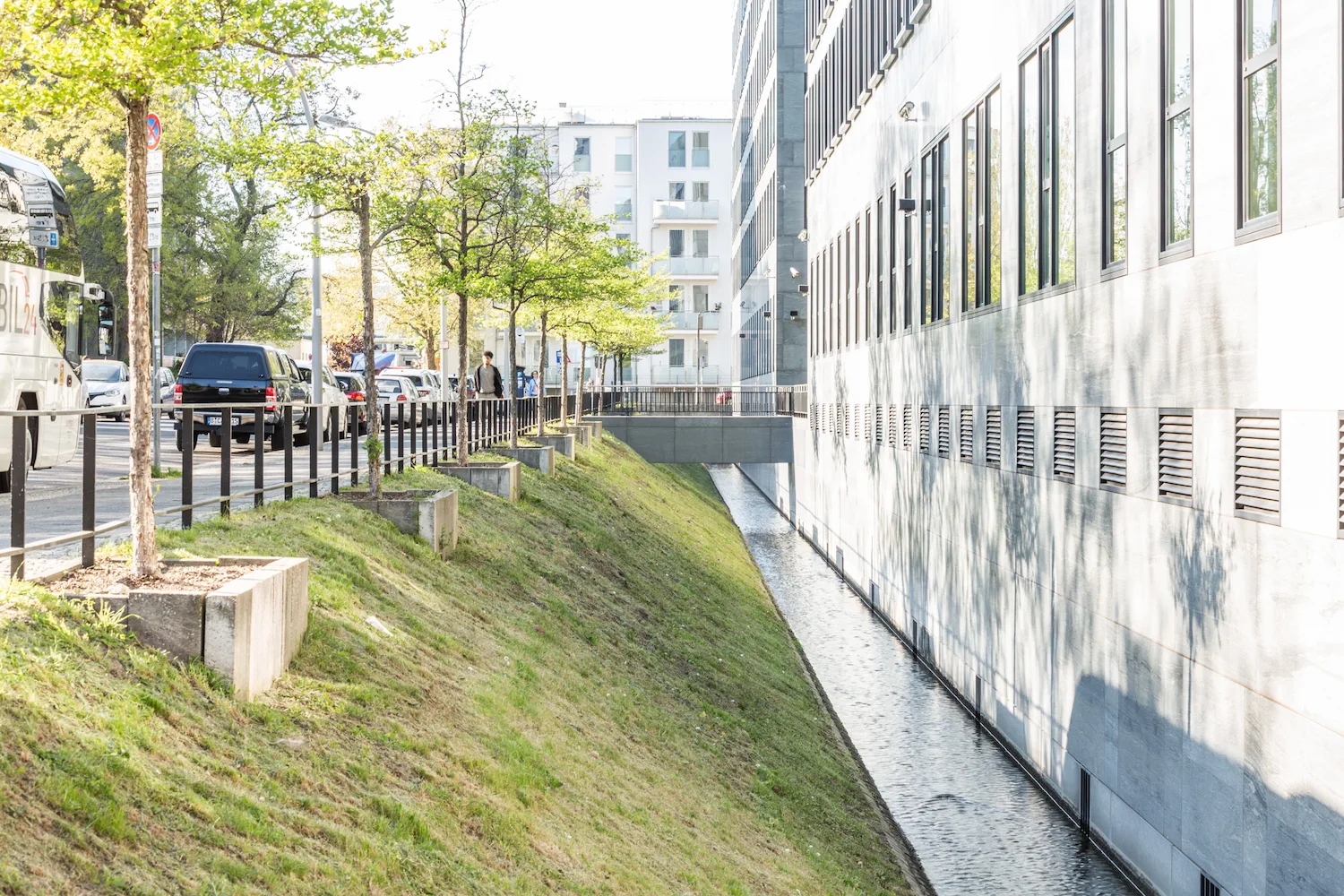
The Südpanke is a historic tributary of the River Panke, which lies hidden right next to Invalidenstraße and flows into the River Spree. You can walk along its course to Südpankepark and discover a slice of Berlin’s original river landscape.
Günter Litfin Memorial
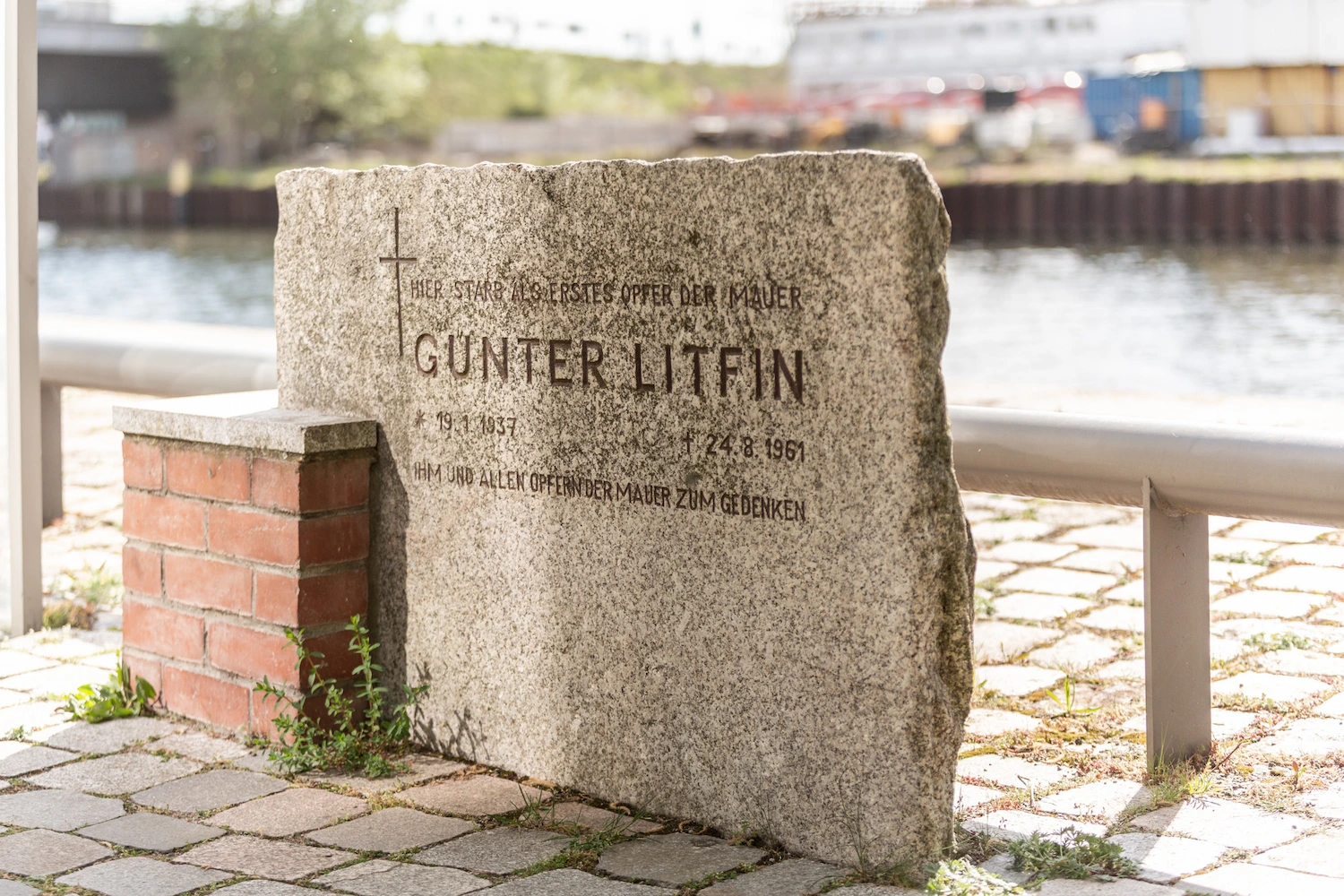
The memorial is situated in a former watchtower of the GDR border fortifications by the canal and is open to visitors. On 24 August 1961, Günter Litfin became the first refugee to be shot dead at the Berlin Wall whilst attempting to flee to West Berlin.
Former Invalidenstraße border crossing / Sandkrugbrücke
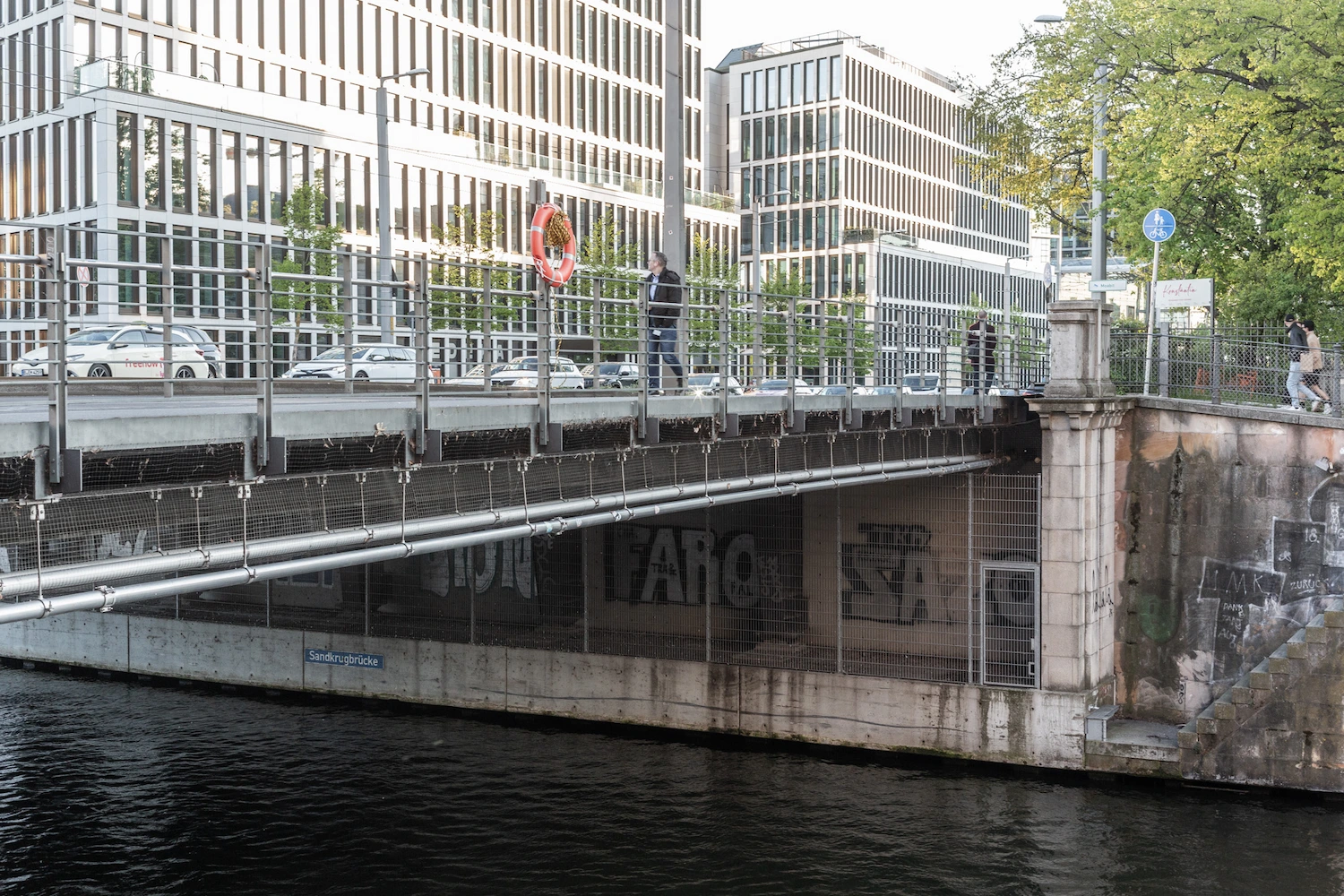
The Invalidenstraße border crossing was located between 1961 and 1990 at the Sandkrugbrücke bridge over the Berlin-Spandau shipping canal and was an important checkpoint between East and West Berlin. Today, the Sandkrugbrücke bridge once again connects both sides of the neighbourhood.
Charité – Universitätsmedizin Berlin (Charité University Hospital)
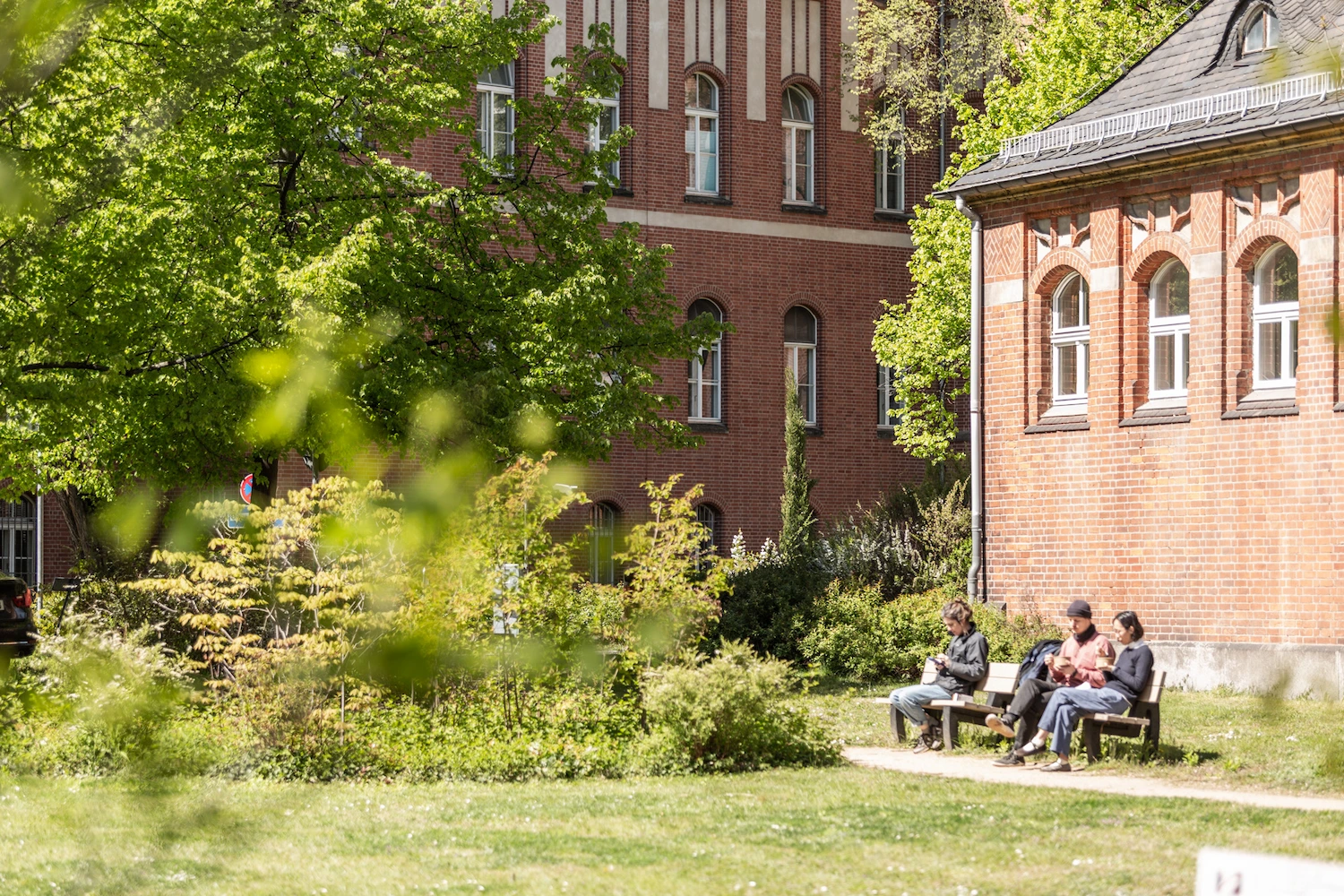
The Charité was founded in 1710 and is one of the oldest hospitals in Europe. The extensive grounds can be explored via paths and walkways and connect various locations in the neighbourhood.
Otto-Weidt-Platz
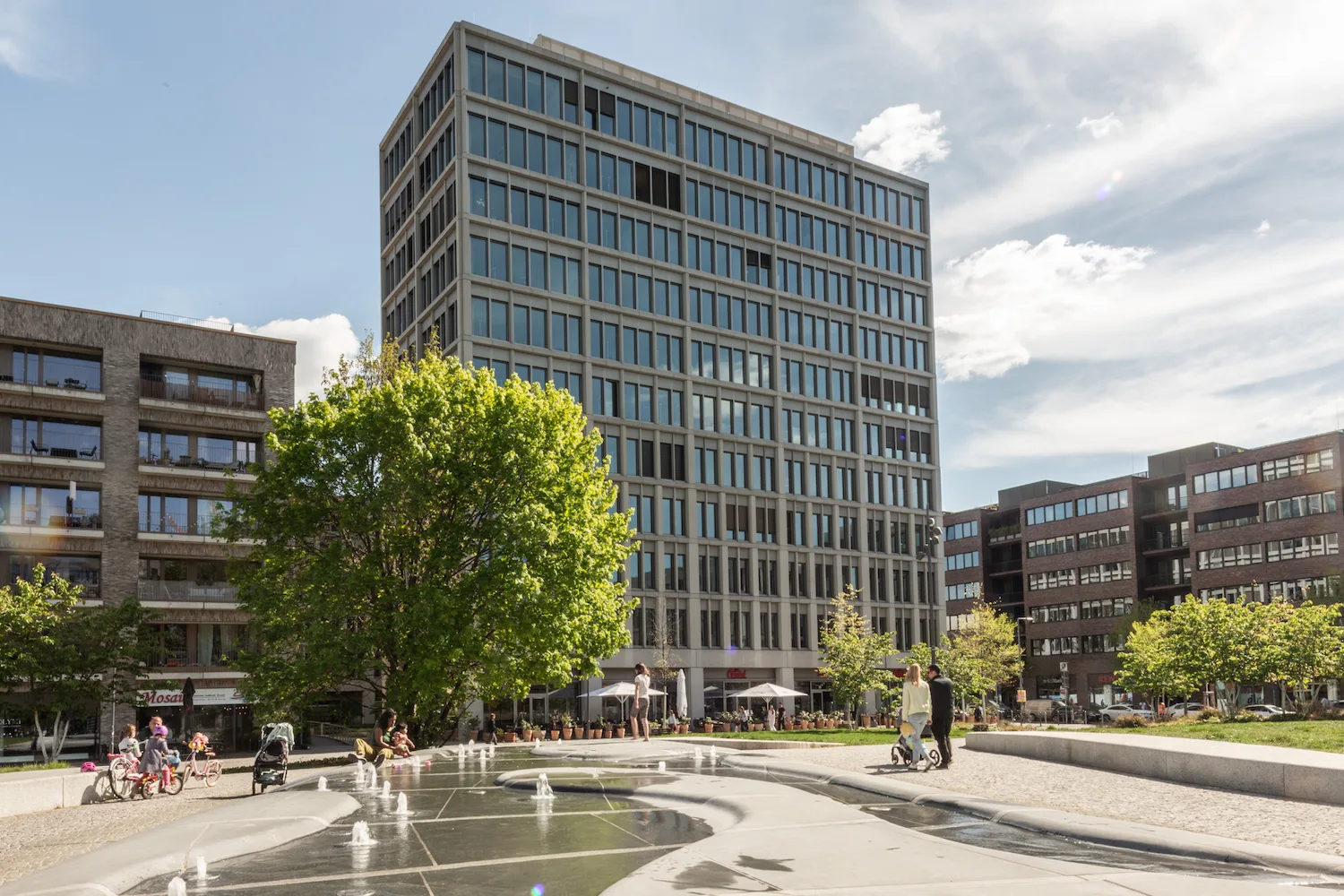
Otto-Weidt-Platz is the largest public square on the MuseumsMeileMitte and lies directly on the Berlin-Spandau Ship Canal. Benches, steps by the water, as well as restaurants and cafés invite visitors to linger, and a footbridge spans the canal.
Invalidenfriedhof (Cemetery of the Invalids)
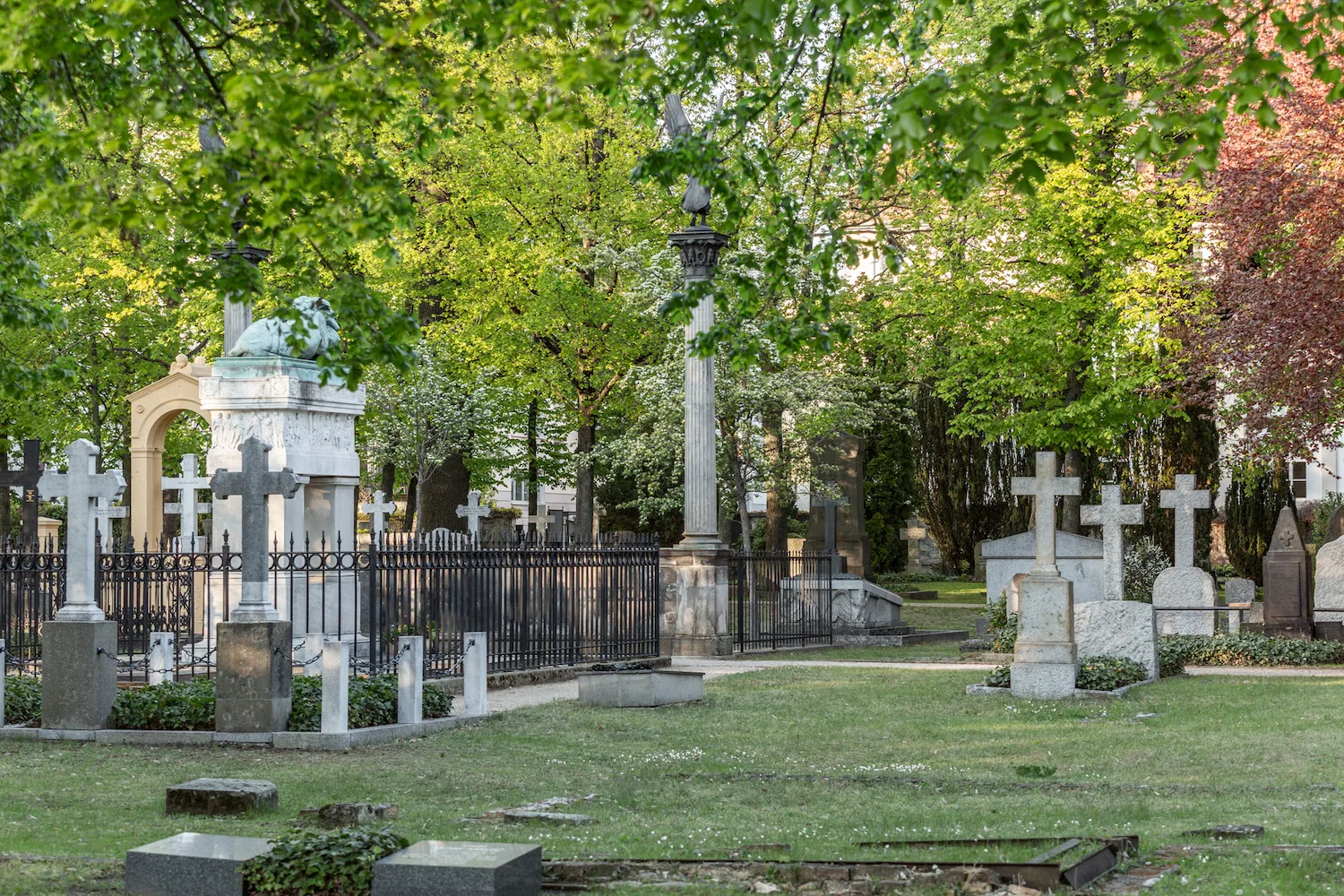
The Invalidenfriedhof was established in 1748 and is one of Berlin’s oldest cemeteries. Parts of the cemetery lay within the so-called ‘death strip’, the strictly guarded border zone of the Berlin Wall. Today, it is a peaceful garden and a memorial site right in the heart of Berlin.
Invalidenpark / Mauerbrunnen (Wall Fountain)
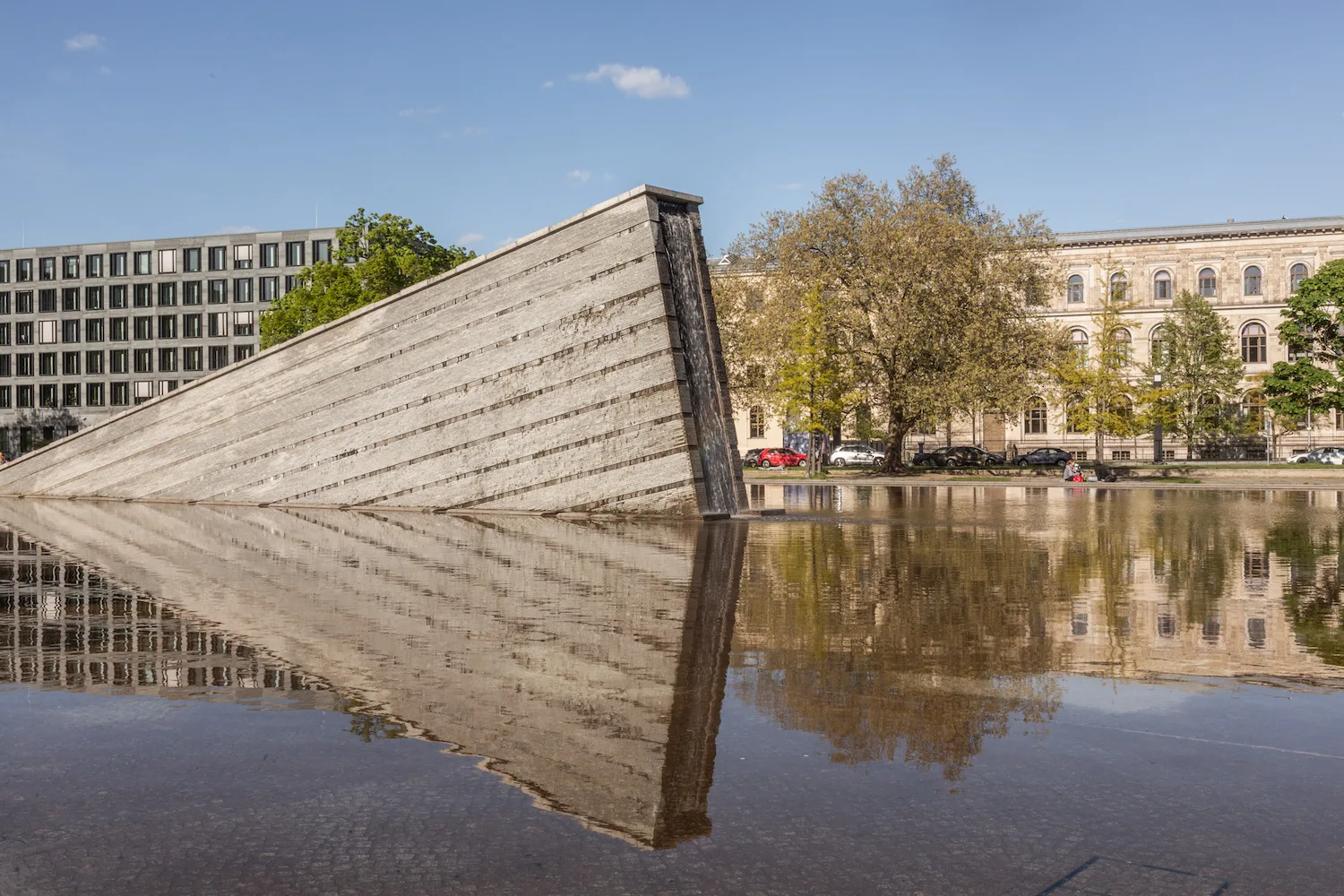
Invalidenpark is a public green space situated on the site of the former Berlin Wall border fortifications. Since 1998, the centre of the park has been home to the ‘Sinking Wall’ fountain by landscape architect Christophe Girot, which commemorates the division of the city.
Humboldthafen (Humboldt Harbour)
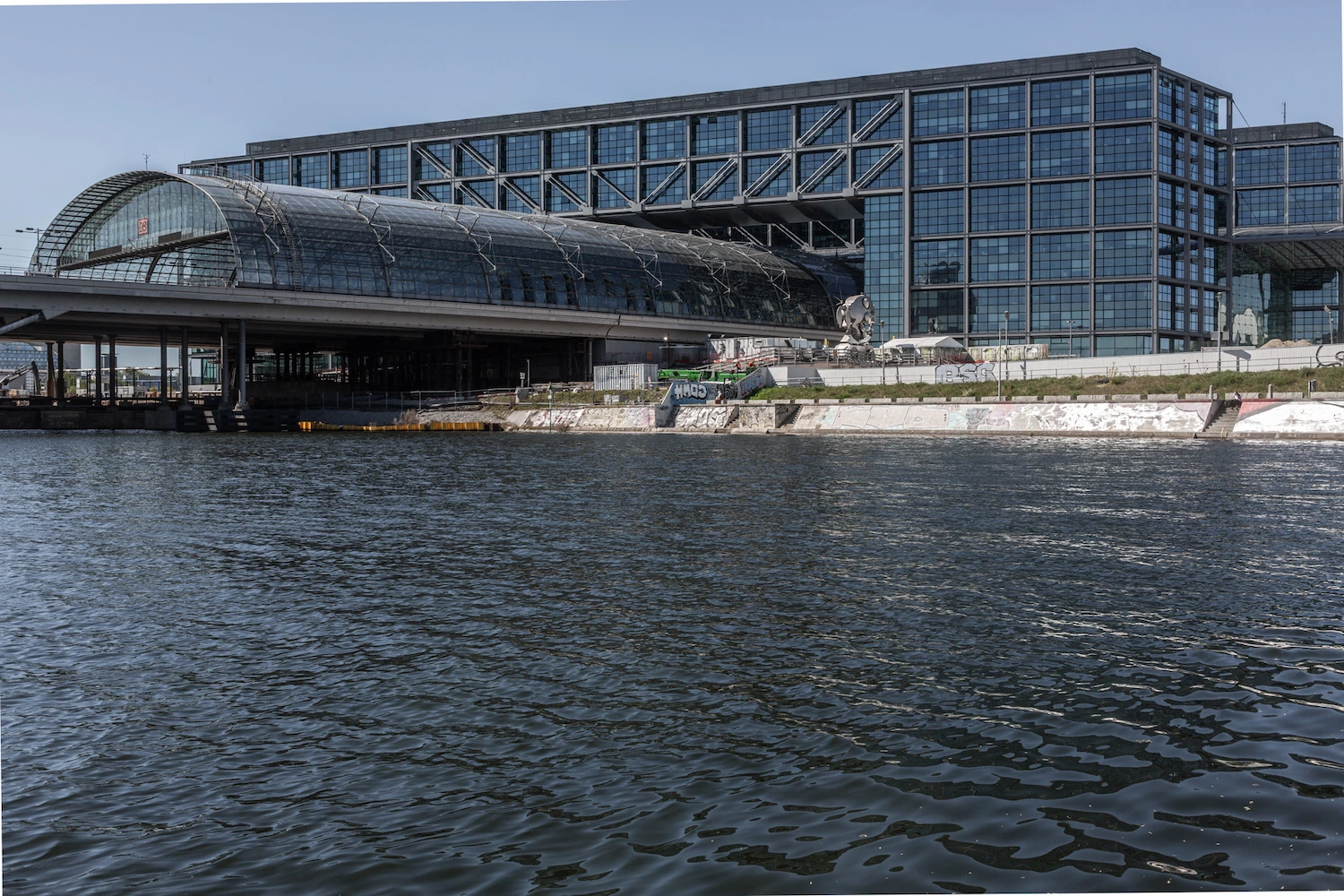
The historic harbour basin was constructed between 1850 and 1857 and is now a listed building. From here, there is a direct view of the government district, Berlin Central Station and the Charité.
Main station
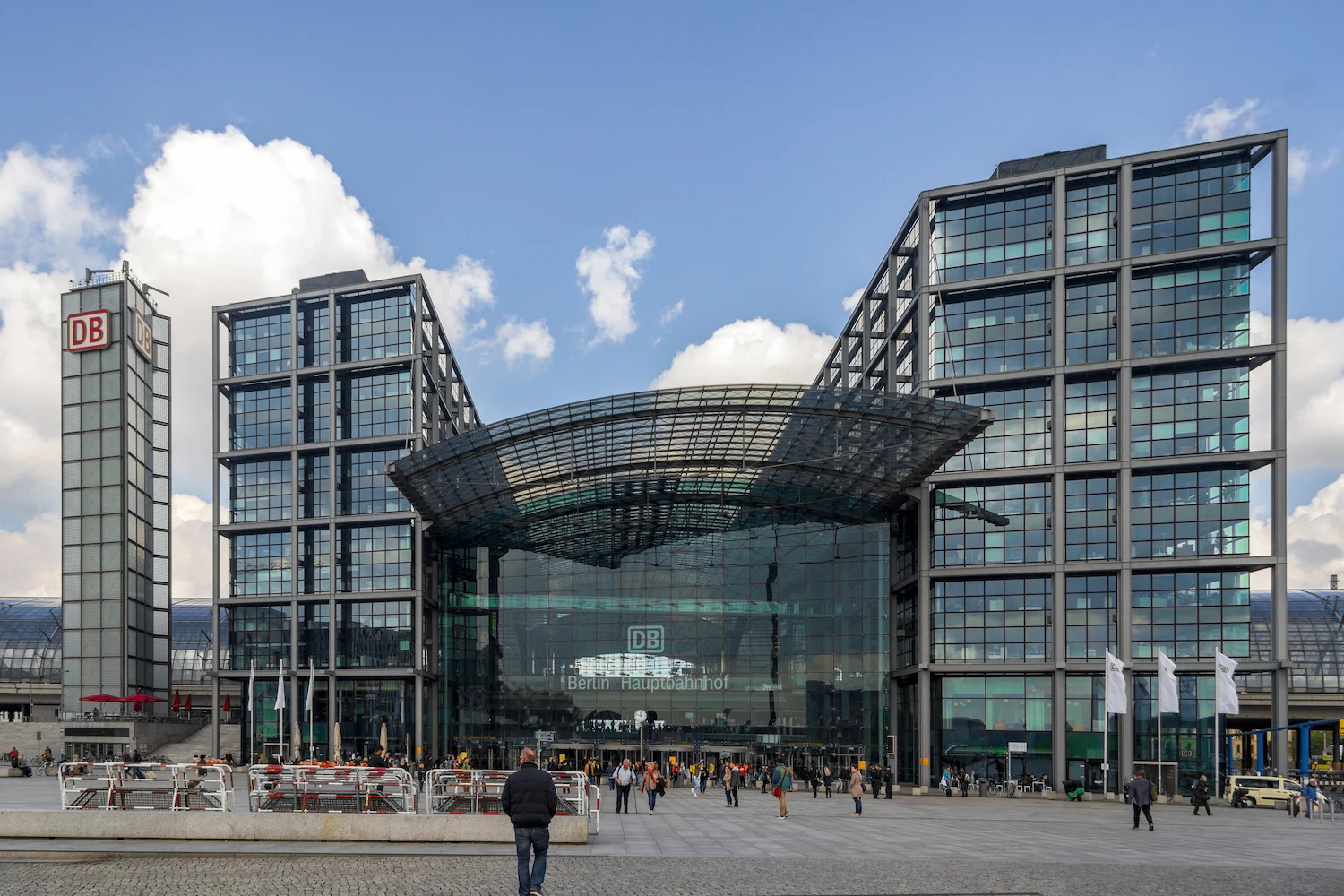
The MuseumsMeileMitte begins at Berlin Central Station. You can easily get there by long-distance train, regional train, S-Bahn, U-Bahn or tram.
U-Bahn and Tram-Stop Naturkundemuseum
M5, M8 and M10; U5
Tram-Stop Invalidenpark
M5, M8 and M10
Tram-Stop Main station
M5, M8 and M10