
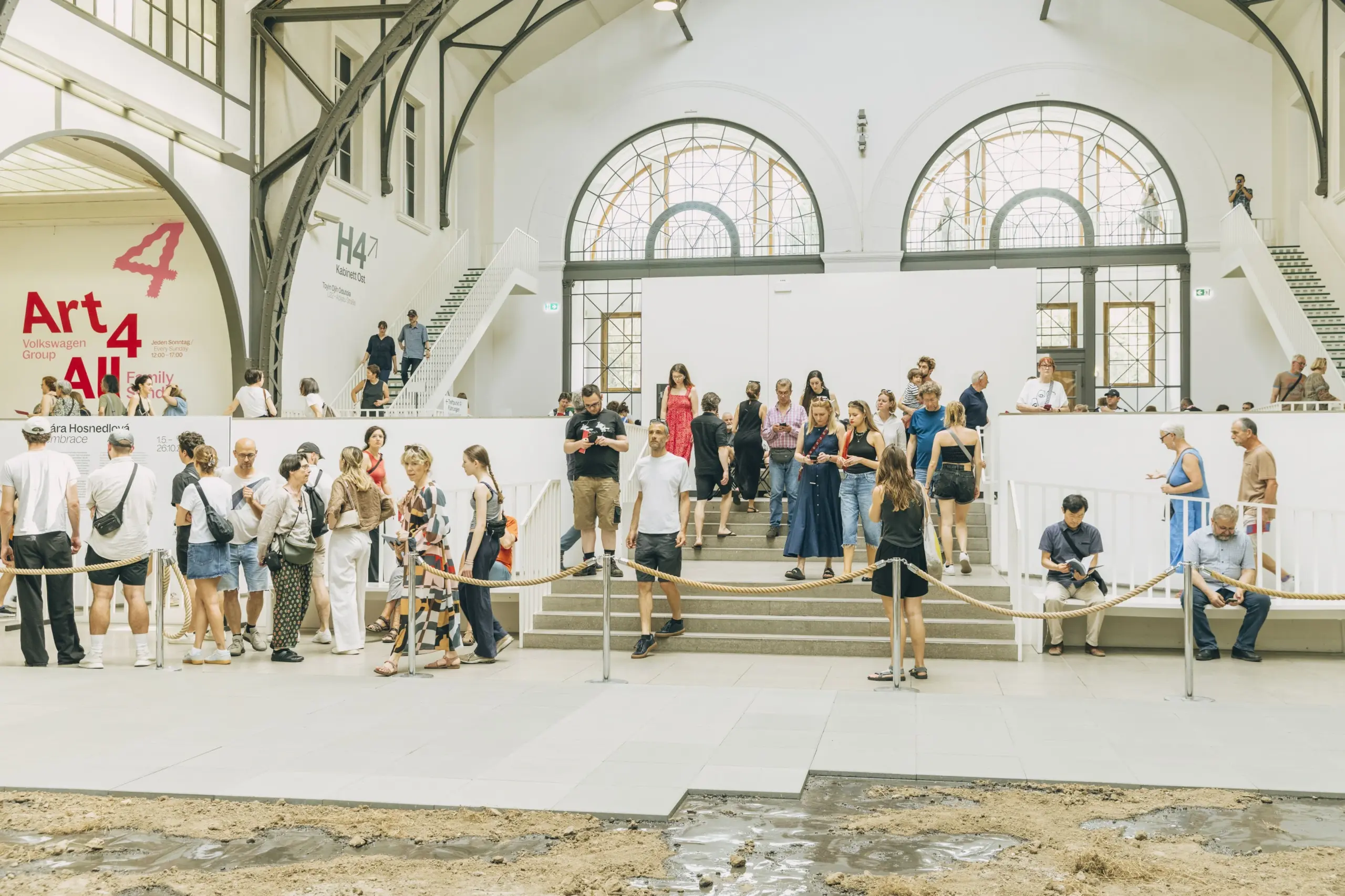
Two million visitors, four museums, one mile: the MuseumsMeileMitte brings together Futurium, the Hamburger Bahnhof – National Gallery of Contemporary Art, the Charité Museum of the History of Medicine, and the Museum of Natural History to form a shared urban space in the heart of Berlin. Between Invalidenpark and Humboldthafen, a network of museums, businesses and the local community is taking shape. The MuseumsMeileMitte invites you to discover and help shape this urban space together. Step by step, an open meeting place is emerging where familiar things can be seen in a new light and the unexpected can be discovered.
The MuseumsMeileMitte is an initiative of the Berlin Museum of the History of Medicine at the Charité, the Futurium, the Hamburger Bahnhof – National Gallery of Contemporary Art, the Museum of Natural History, the Leibniz Institute for Evolutionary & Biodiversity Research, and numerous companies based at this location, such as 50Hertz, CA Immo, Deutsche Bahn, KPMG and TotalEnergies. The MuseumsMeileMitte connects a place where tens of thousands of people work every day, over 300,000 travellers pass through the main station daily, and thousands of Berliners live.
KNOWLEDGE, ART, FUTURE
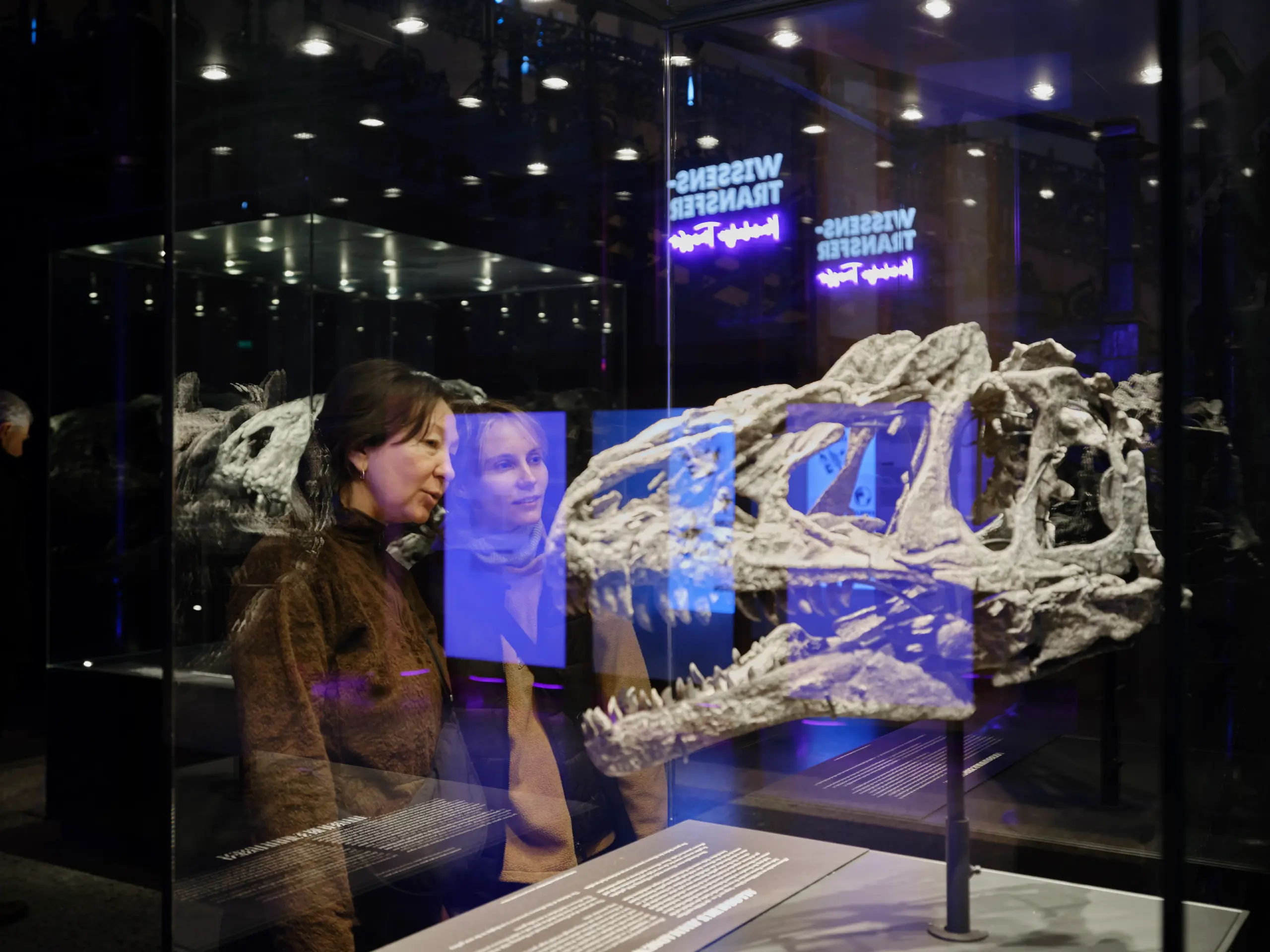
With a programme of over 20 exhibitions and around 6,000 guided tours and events per year across more than 20,000 square metres of exhibition space, the MuseumsMeileMitte conveys knowledge and culture from the beginnings of our solar system through the present day and into the future.
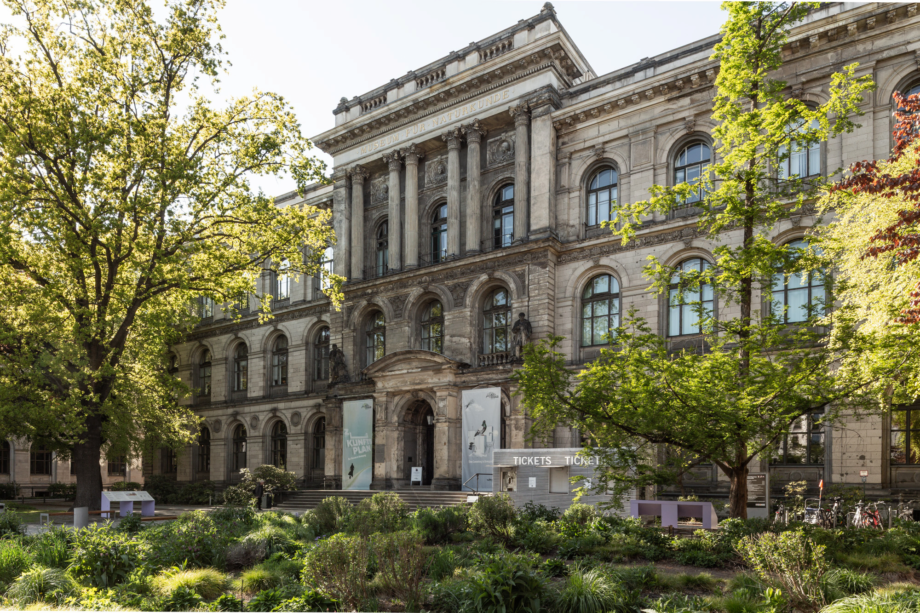
At the Museum of Natural History, an integrated research museum of the Leibniz Association with an international reputation and a globally networked research infrastructure, the history of life is researched and communicated – from dinosaurs to current issues in biodiversity and climate research.
At the Hamburger Bahnhof – National Gallery of Contemporary Art, art and society meet in the heart of Berlin. The collection museum for contemporary art is renowned for its large-scale installations in the Historic Hall as well as exhibitions by Berlin-based and international artists. As a welcoming space for the local community and its visitors, free programmes such as the open-air DJ series Berlin Beats, the Open House – open days and guided tours, studios and workshops – are aimed at people from all walks of life and with diverse international backgrounds.
The Berlin Museum of the History of Medicine, an institution of Charité – Universitätsmedizin Berlin, uses the development of medicine over the last 300 years to demonstrate how closely medical progress is linked to social issues.
At Futurium, everything revolves around the question “How do we want to live?”. Here, visitors can explore possible futures in the exhibition, try out their own ideas in a lab and discuss them together at events.
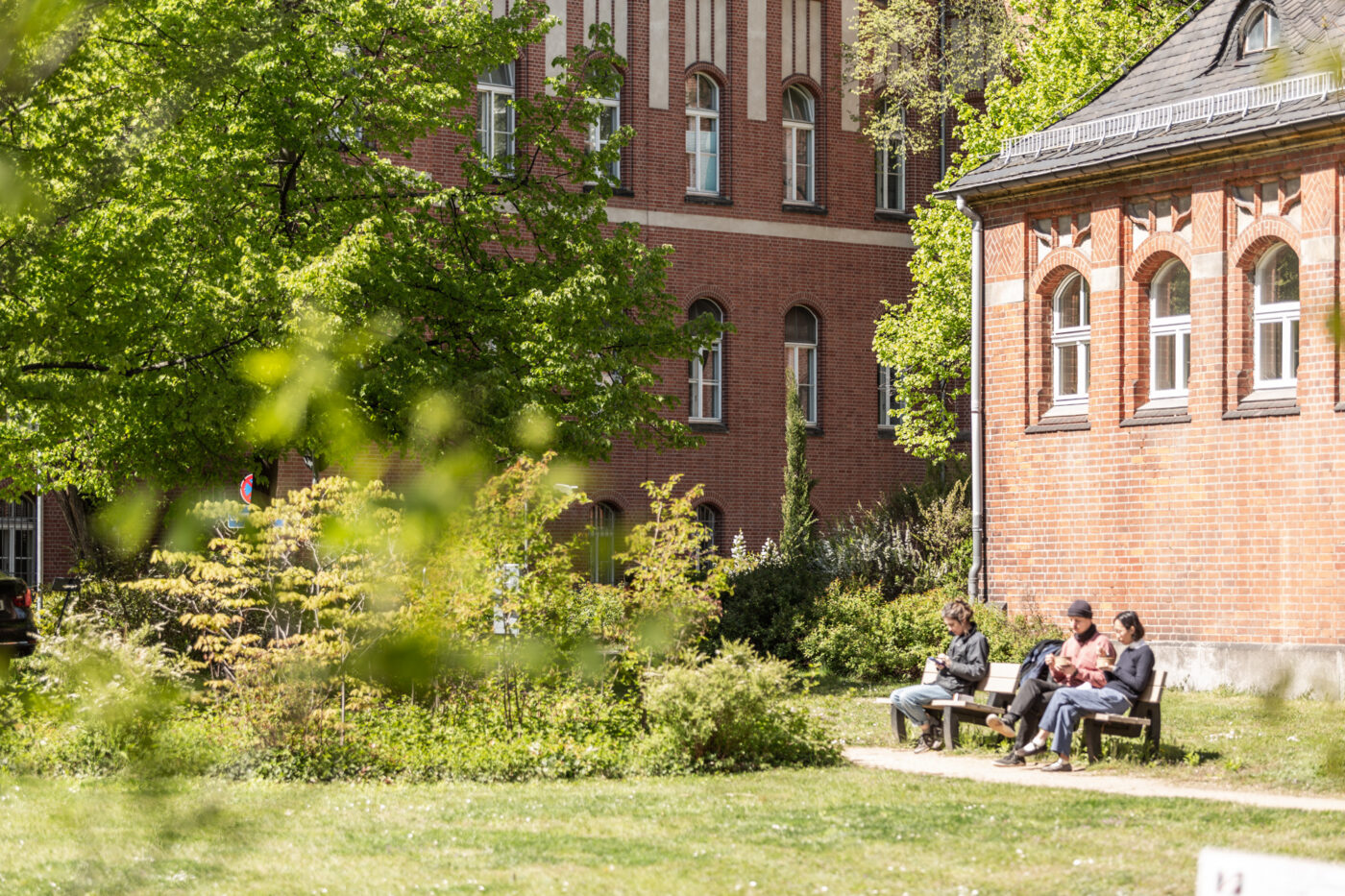
Beyond the museums, the immediate neighbourhood shapes the character of the MuseumsMeileMitte as a place where the future is lived out. Charité – Universitätsmedizin Berlin is one of Europe’s leading medical institutions, combining research, teaching and clinical practice at the highest level. Every day, new insights into health, technology and society emerge here – themes that are also reflected in and further explored through the exhibitions at the MuseumsMeileMitte.
At the same time, innovative companies from the energy, mobility, digitalisation and consultancy sectors contribute their perspectives. Whether it is the transformation of the energy supply at 50Hertz and TotalEnergies, the development of sustainable property concepts by CA Immo, Deutsche Bahn’s mobility infrastructure or the economic and social transformation supported by KPMG – they all stand for shaping the future in concrete terms, right here and now.
Life in the Neighbourhood
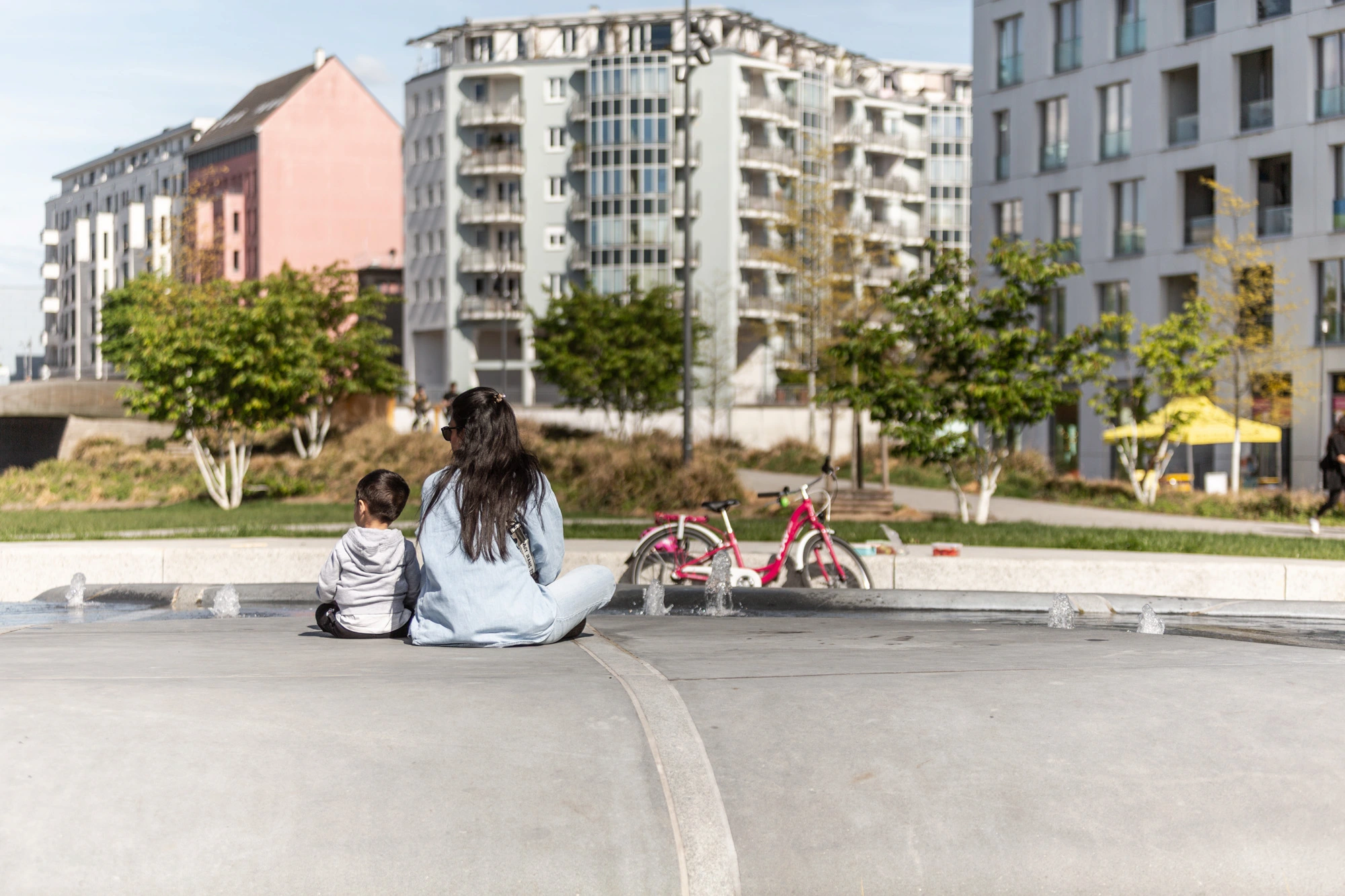
The MuseumsMeileMitte is situated within a unique urban fabric between Humboldthafen, Invalidenstraße and the main railway station – an area long shaped by its location in the former border zone. This historical divide meant that, for decades, urban life could only develop here in isolated pockets. To this day, the neighbourhood appears fragmented and disconnected in places – and this is precisely where its special potential lies.
Life in the neighbourhood here means, above all, change. Around Invalidenstraße and on Heidestraße, there are still a few old buildings that recall earlier urban structures; in recent years, these have been complemented by numerous new residential buildings. For a long time, the area was scarcely perceived as a place to live; today, there is an opportunity to rediscover it: as a place where different realities of life overlap and an urban sense of community emerges.
Public space
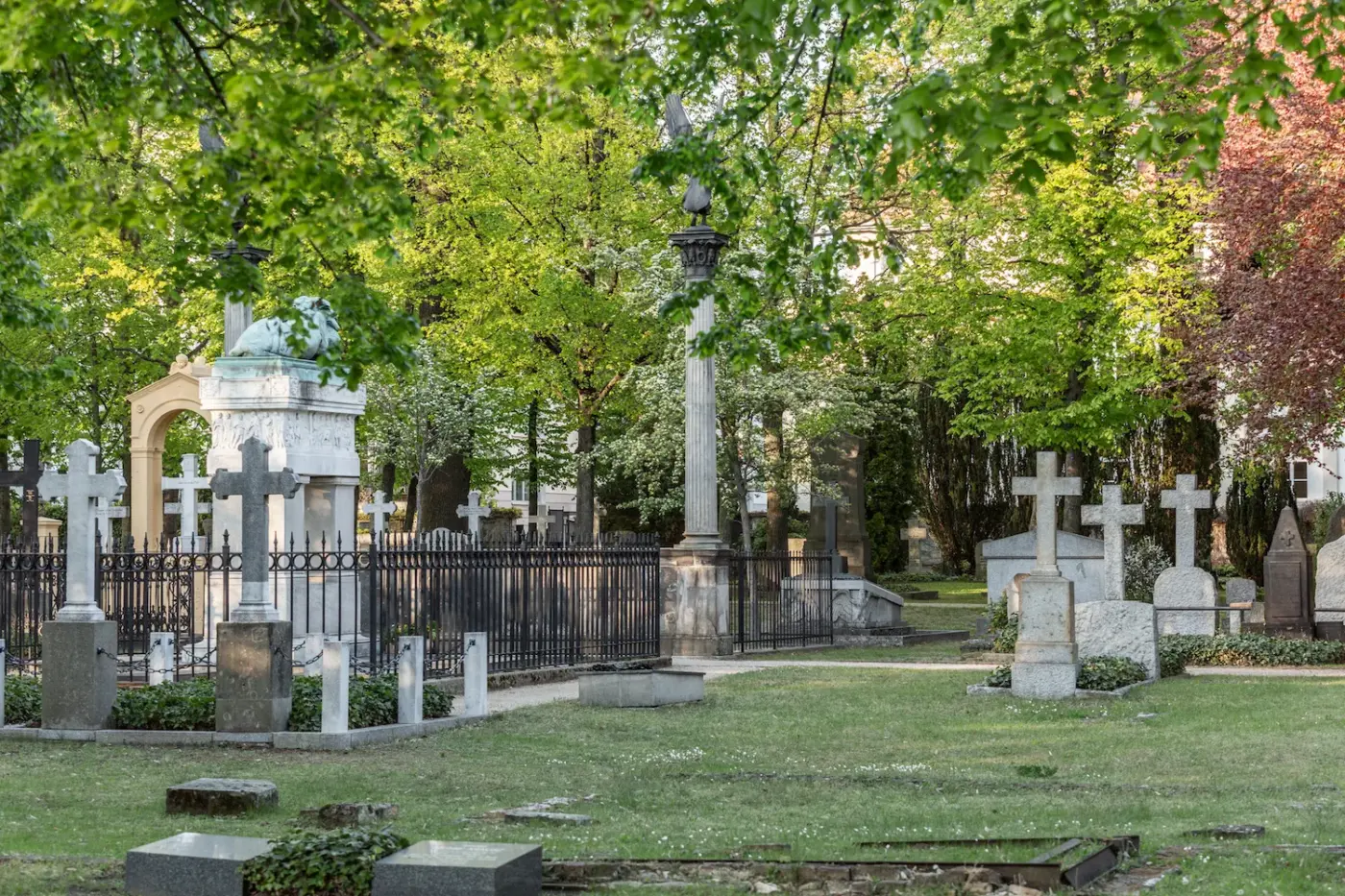
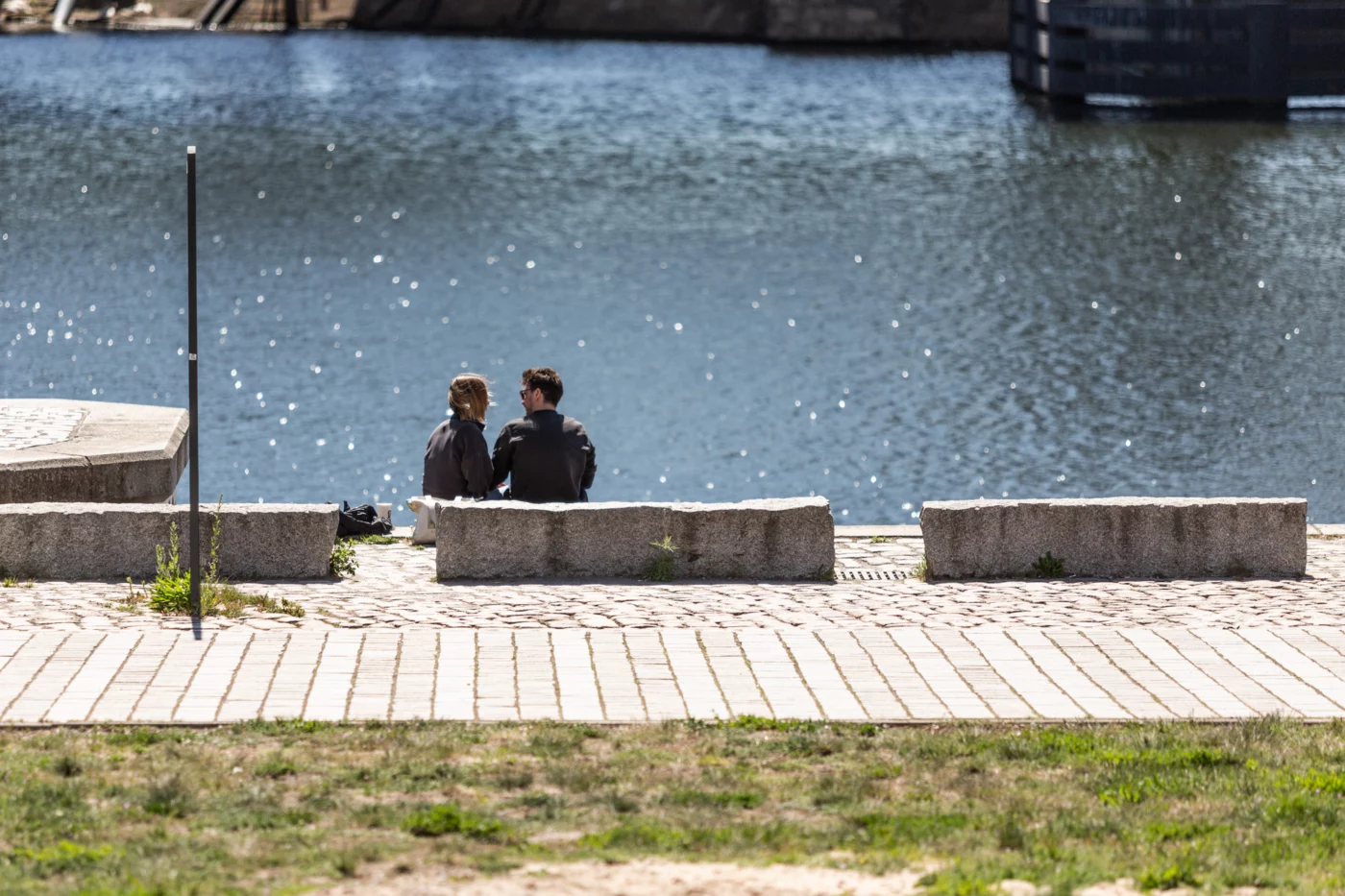
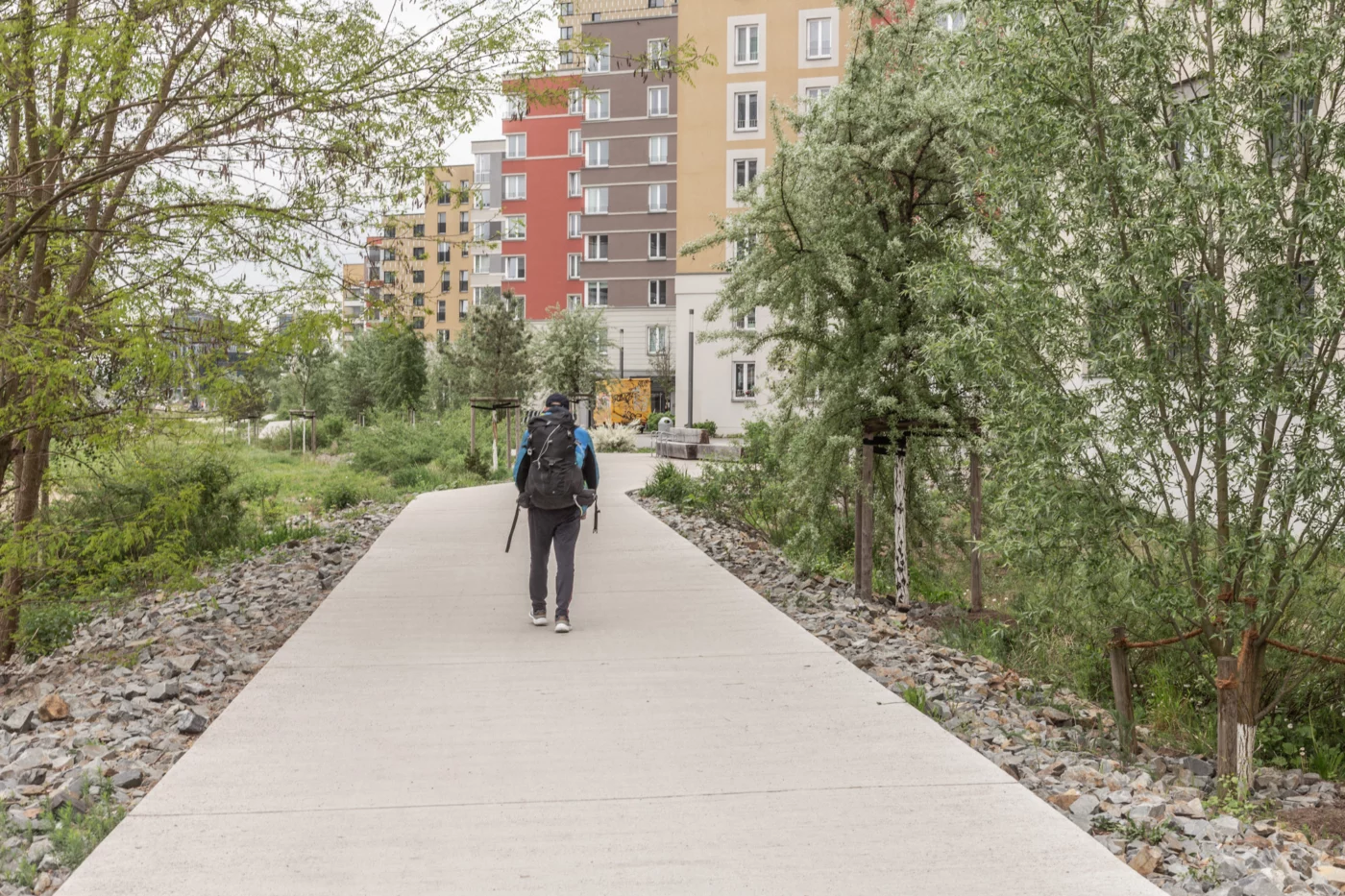
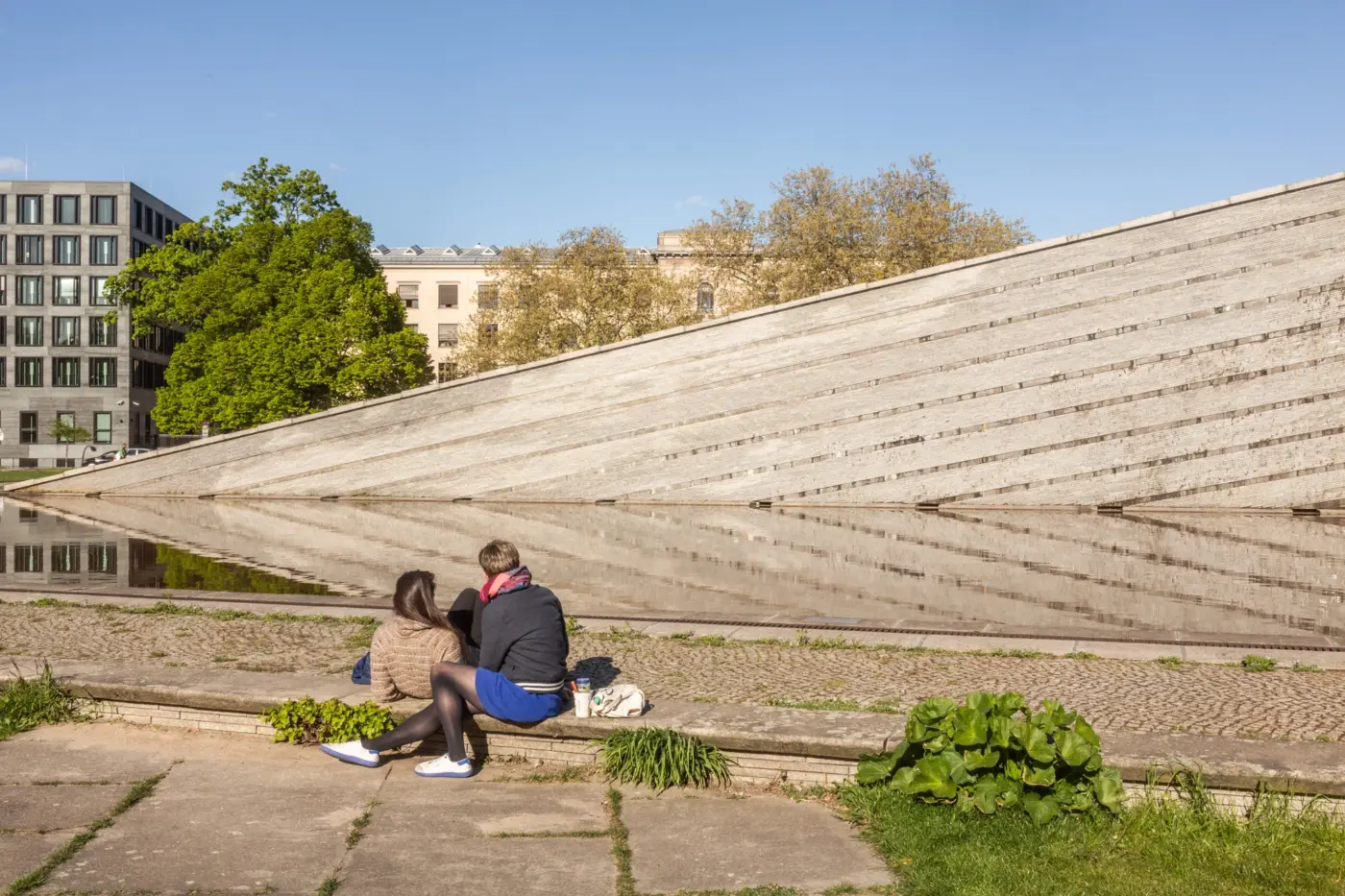
Public space is also visibly evolving. The quality of life is improving, as squares and paths are increasingly being used for leisure and recreation. Water plays a central role in this: Humboldthafen, the canals and the movement of shipping traffic towards Nordbahnhof create a special atmosphere. At the same time, new green spaces and open areas are emerging, such as the Döberitzer Grünzug, or places to linger such as Otto-Weidt-Platz with its seating steps by the water. Existing spaces such as Invalidenpark or the Mauerweg along the Invalidenfriedhof offer quiet retreats and bridge the past and present.
Work
Work is an equally defining feature of the neighbourhood. Institutions such as the Charité, numerous ministries, as well as companies and commercial enterprises ensure a high density of activity. In recent years, internationally active firms have established themselves particularly around Washingtonplatz, Humboldthafen and along Heidestraße. This is complemented by nurseries, museums, restaurants and a wide range of services, which actively enliven the urban space and make it usable beyond the traditional office routine.
Architeture
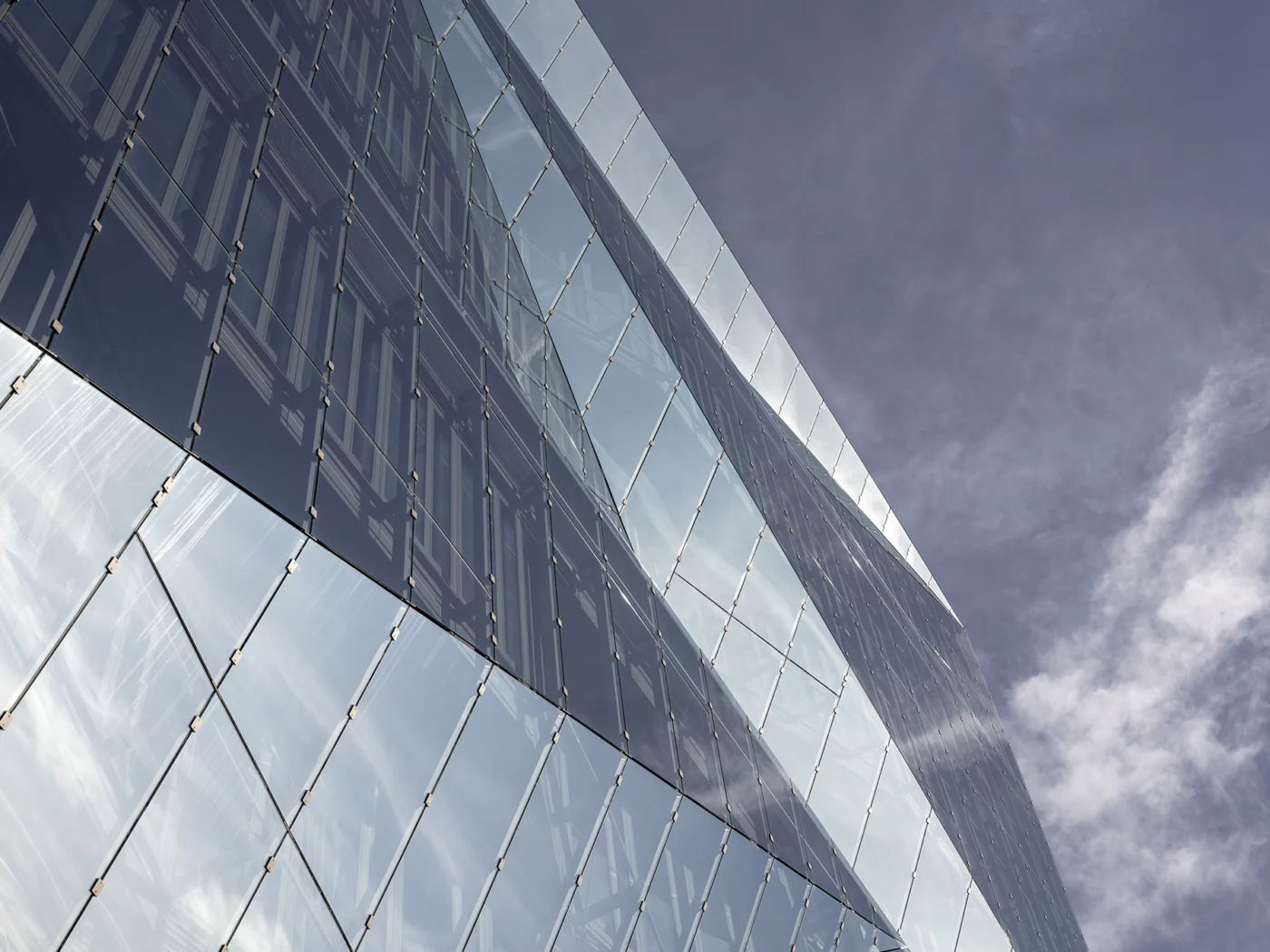
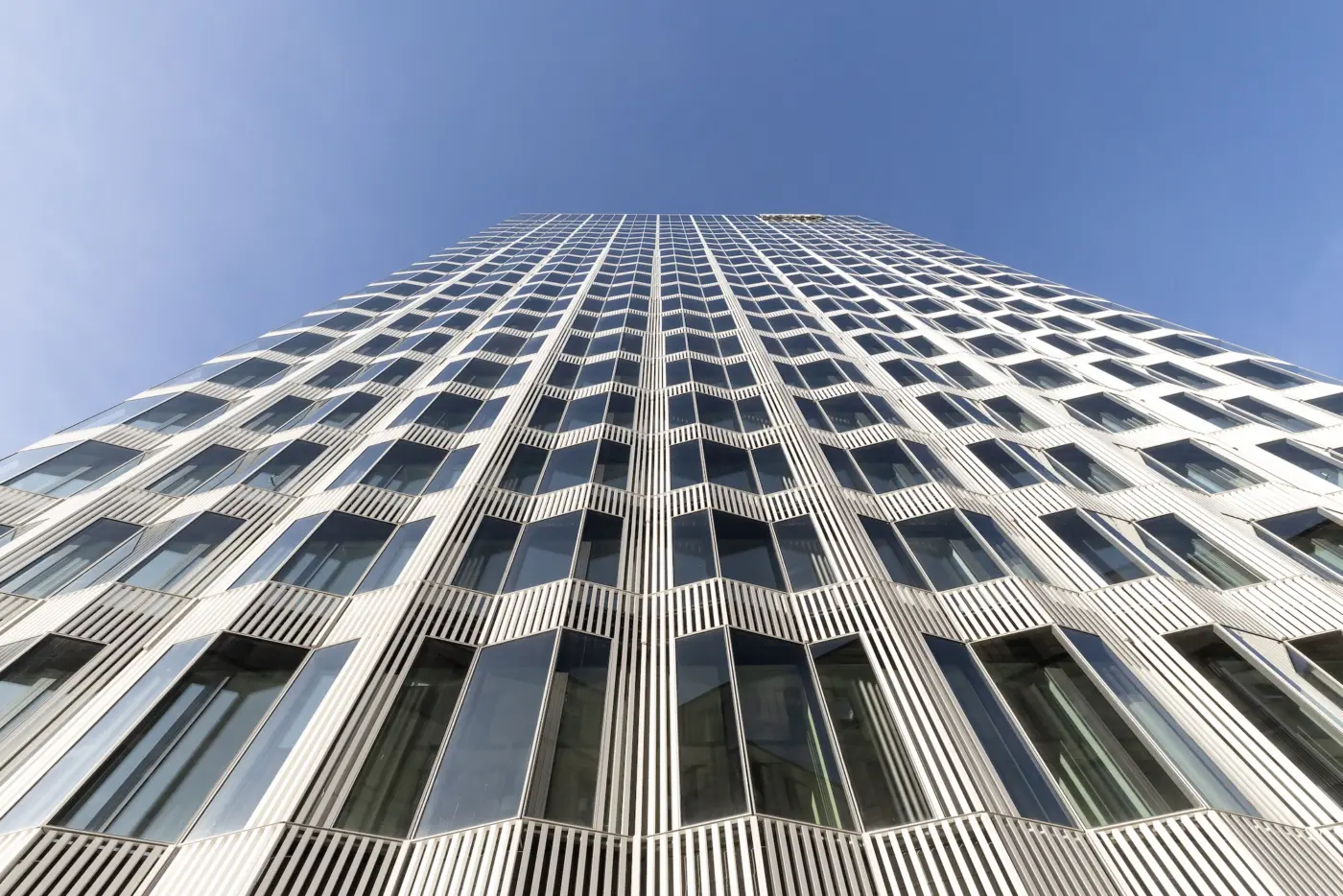
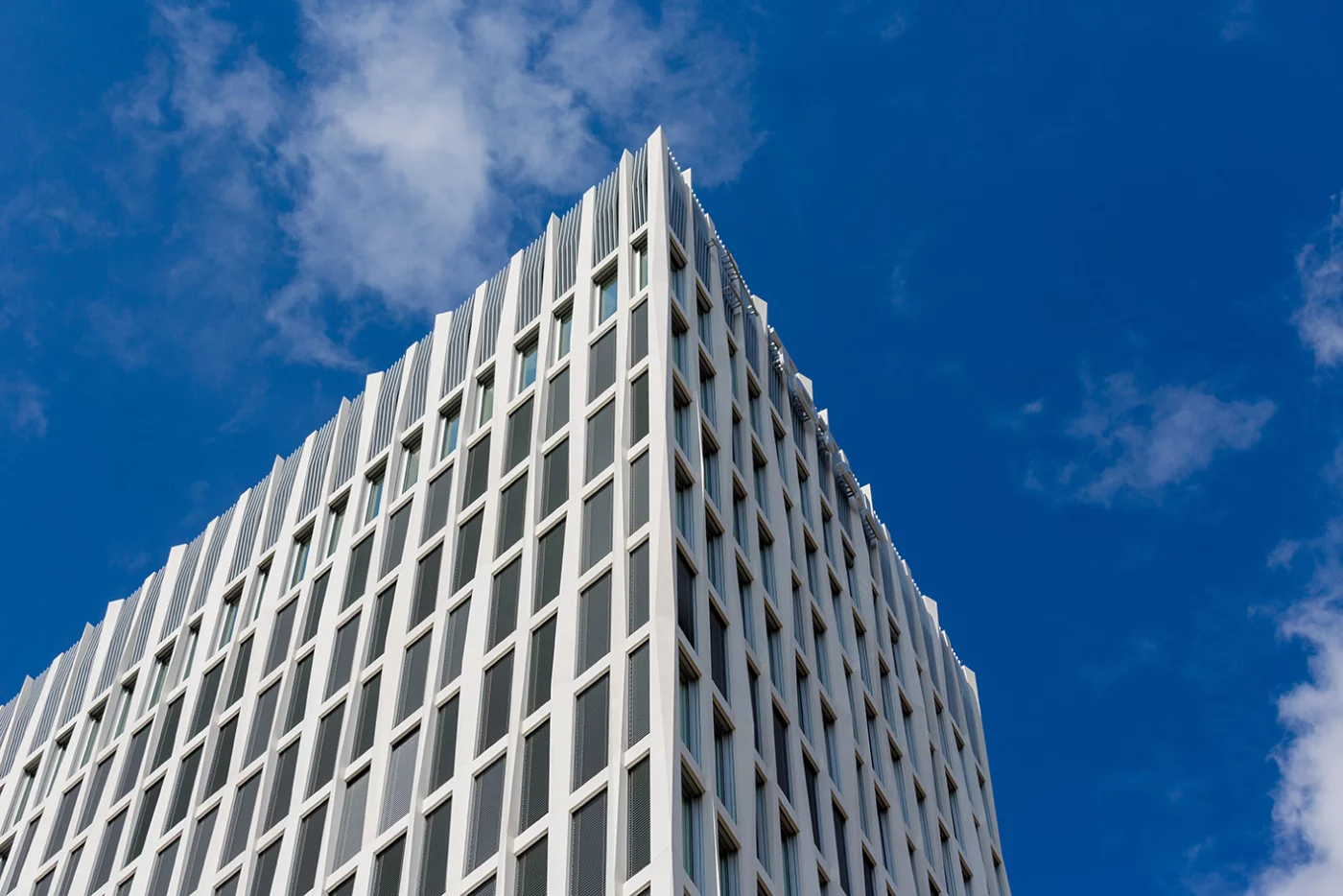
Architecturally, the neighbourhood presents strong contrasts: contemporary office and high-rise architecture – such as ‘Cube Berlin’ by 3XN on Washingtonplatz or the high-rises by Barkow Leibinger or allmannsattler Architekten on the north side of the main station – meets significant existing buildings such as the Hamburger Bahnhof, the Natural History Museum or the historic buildings of the Charité. Added to this are residential buildings from various eras, including prefabricated blocks from the 1980s on Habersaathstraße. This diversity creates a dynamic urban landscape that significantly shapes the character of the neighbourhood.
The urban space is in a state of transition: between past and future, between work and living, between fragmentation and a growing identity. The MuseumsMeileMitte has the potential to make this development visible and to re-establish the neighbourhood as a vibrant, diverse place.