
Berliner Medizinhistorisches Museum der Charité (Charité Berlin Museum of the History of Medicine)
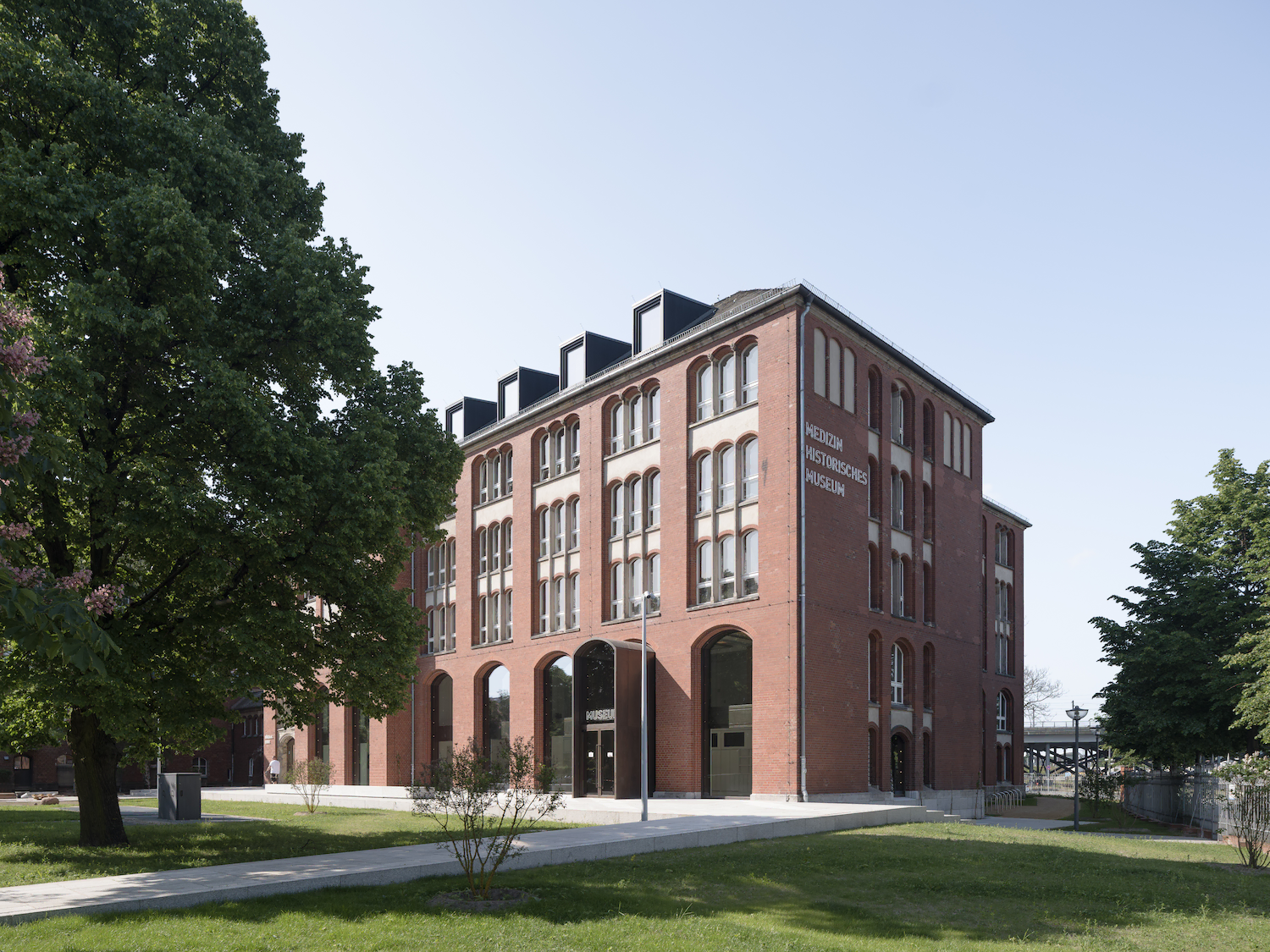
The Berlin Museum of Medical History is an institution of Charité – Universitätsmedizin Berlin. It traces its origins back to Rudolf Virchow’s Pathological Museum and is located in the former museum building of the Institute of Pathology on the historic Charité site (Campus Mitte).
As a public museum of the Charité, it invites visitors to discover the development of medicine over the last 300 years. Its permanent exhibition features, among other things, a collection of around 750 pathological-anatomical wet and dry specimens, as well as models and illustrations from key medical settings: the Anatomical Theatre, the Anatomical Museum, the laboratory and the ward.
Changing special exhibitions shed light on the diverse connections between medicine, culture and history. Artistic interventions also encourage a nuanced engagement with medical topics.
Futurium – House of Futures
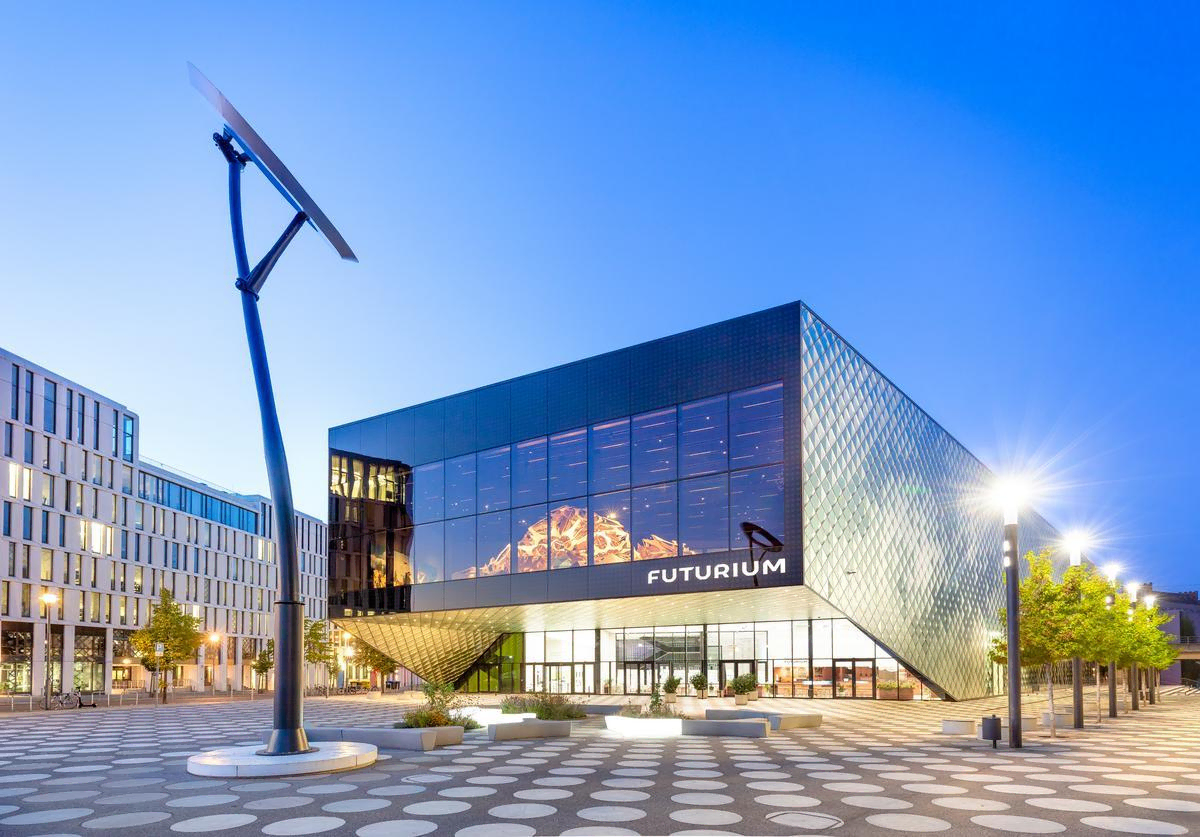
The Futurium is an innovative ‘house of futures’ where the question ‘How do we want to live?’ takes centre stage. It sees itself as a place for reflection and exchange on the major challenges and opportunities of our future.
In the permanent exhibition, visitors can explore various future scenarios. In the reflection spaces dedicated to humanity, nature and technology, exciting options for possible futures are presented, encouraging visitors to develop their own perspectives on controversial issues.
The programme is complemented by a wide range of digital formats and a diverse events forum where scientists, artists, visionaries and innovators engage in dialogue with a broad audience. In the Futurium Lab, visitors have the opportunity to explore future technologies in a playful way through creative workshops and to try out their own ideas.
Admission is free.
Hamburger Bahnhof – Nationalgalerie der Gegenwart (National Gallery of the Present)
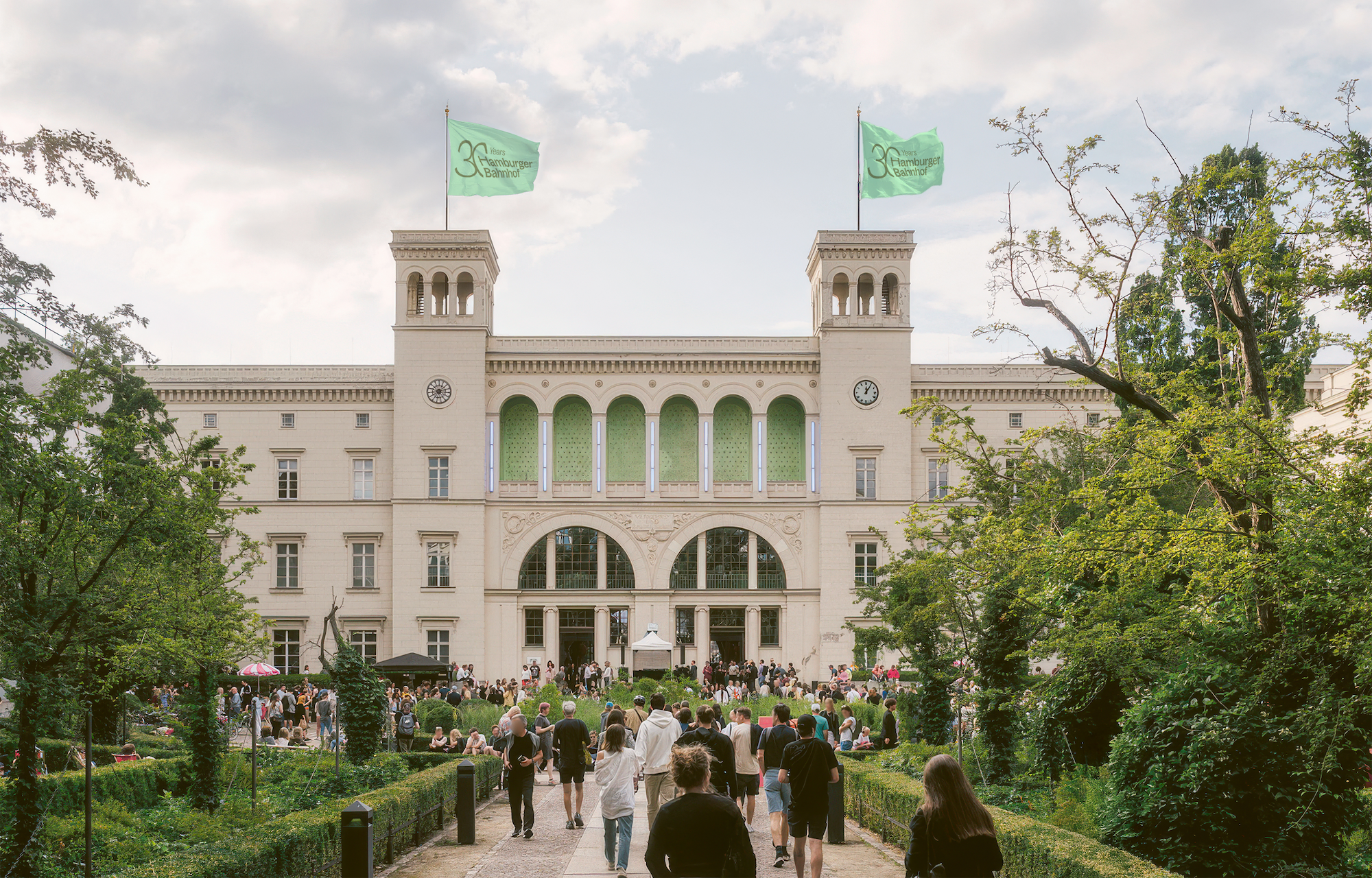
National Gallery of Contemporary Art
The Hamburger Bahnhof was one of Berlin’s major terminus stations in the 19th century – a place of arrival, departure and transition.
To this day, this history shapes the museum of contemporary art in the heart of Berlin. The building reflects key moments in German history: from industrialisation through destruction in the Second World War, division and the Wall, to the reunified capital. Like Berlin, the Hamburger Bahnhof is full of complexity and ruptures, with change as its constant.
Today, art and society meet here. Art, as an expression of human experience, opens up new perspectives on our present and invites engagement. Art creates spaces for dialogue and encounter – everyone brings something of their own, and together a polyphonic space emerges. As a museum with a collection of contemporary art, the Hamburger Bahnhof collects for the future and provides impetus for local and international societies.
The Hamburger Bahnhof is an open invitation to the city’s community and its visitors. As an accessible venue with free programmes and participatory formats, the museum caters to people from diverse backgrounds and with international histories. It listens, exhibits and invites visitors to help shape the experience.
Museum für Naturkunde Berlin (Museum of Natural History Berlin)
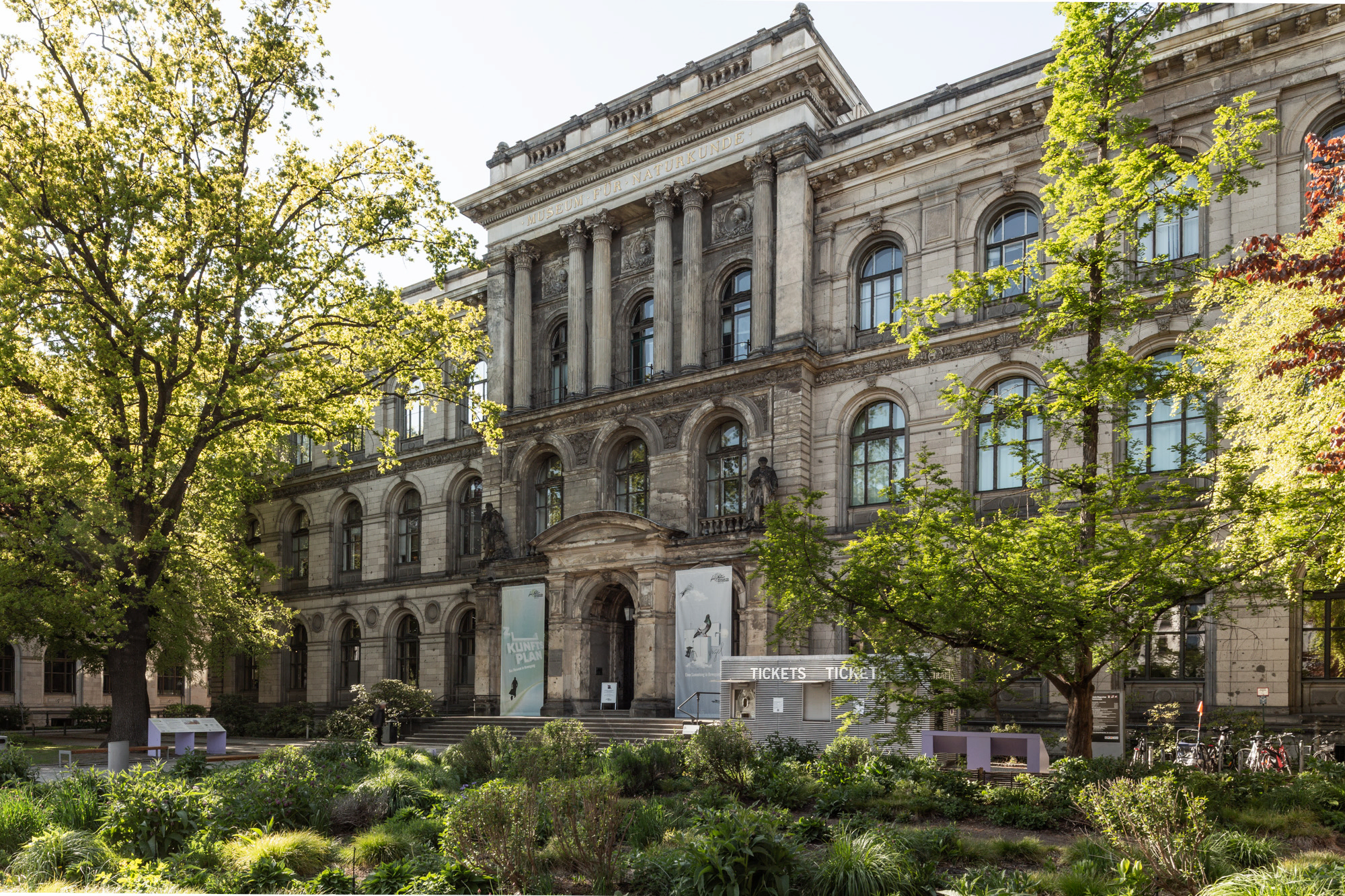
The Museum für Naturkunde Berlin (Museum of Natural History Berlin) is an outstanding and integrated research museum of the Leibniz Association with international reach and a globally networked research infrastructure. As an innovative communication hub, it aims to help shape the scientific and societal dialogue on the future of our planet and to develop a democratic knowledge society.
Teams from various disciplines are researching the more than 30 million collection items to understand the development of the Earth and life. The topics range from the development of the solar system and the mechanisms of evolution to the diversity of life on Earth. In addition, the scientific, historical, cultural and artistic significance of the objects is being explored.